Around Texas
Conditions vary across the state. Choose your city below, then describe what’s happening around your home or business.
Local bee information
Learn what to look for around your property, explore your city, and ask about an inspection or a quote.
Conditions vary across the state. Choose your city below, then describe what’s happening around your home or business.
Where you see bees, how long it has been going on, and anything you’ve already tried are the most useful details to mention.
Ask about an inspection, what treatment would involve, and whether follow-up visits are included. You don’t need to identify the problem yourself before getting in touch.
Before you compare quotes, it helps to know which bees actually live in Texas, when they are busiest, and what the state figures look like. Everything below links to the agency or university page it came from.
Managed hives are the source of the spring swarms that end up in homes and trees; the state table is on page 7 of the report.
USDA National Agricultural Statistics ServicePercent of maximum colonies lost during the first quarter of 2026 in this state.
USDA National Agricultural Statistics ServiceAHB 'have interbred with wild European honey bees and have spread throughout Texas', so any feral colony in Texas should be treated as potentially defensive.
Texas A&M AgriLife Extension'Swarming usually occurs in the spring or summer' (Texas A&M AgriLife); Fort Bend Extension notes reproductive swarms 'usually happen in the springtime when forage is plentiful'. Carpenter bees are active from early spring.
'According to state law, if you are paying someone to remove a honey bee nest, the person must be a registered beekeeper or a licensed pest control professional' (Texas A&M AgriLife). TAIS 'DOES NOT license or issue permits to remove honey bees' but publishes a county list of permitted removers. Bee-proof by blocking pipe and wiring penetrations, weep holes, and knot holes with caulk or screen.
Sources: Honey Bee Colonies (August 2026); Texas A&M AgriLife Extension; CDC MMWR; African Honey Bee, Africanized Honey Bee, Killer Bee (EENY-429 / IN790); Carpenter Bees. Figures are quoted as the source prints them. How we check our sources

Humid Subtropical · suburban setting
Read the local guide →
Semi-Arid · urban setting
Read the local guide →
Humid Subtropical · urban setting
Read the local guide →
Humid Subtropical · urban setting
Read the local guide →
Humid Subtropical · urban setting
Read the local guide →
Humid Subtropical · suburban setting
Read the local guide →
Humid Subtropical · urban setting
Read the local guide →
Humid Subtropical · urban setting
Read the local guide →
Humid Subtropical · suburban setting
Read the local guide →
Hot Desert · urban setting
Read the local guide →
Humid Subtropical · urban setting
Read the local guide →
Humid Subtropical · suburban setting
Read the local guide →
Humid Subtropical · urban setting
Read the local guide →
Humid Subtropical · urban setting
Read the local guide →
Semi-Arid · urban setting
Read the local guide →
Humid Subtropical · urban setting
Read the local guide →
Humid Subtropical · urban setting
Read the local guide →
Humid Subtropical · urban setting
Read the local guide →
Hot Semi-Arid · urban setting
Read the local guide →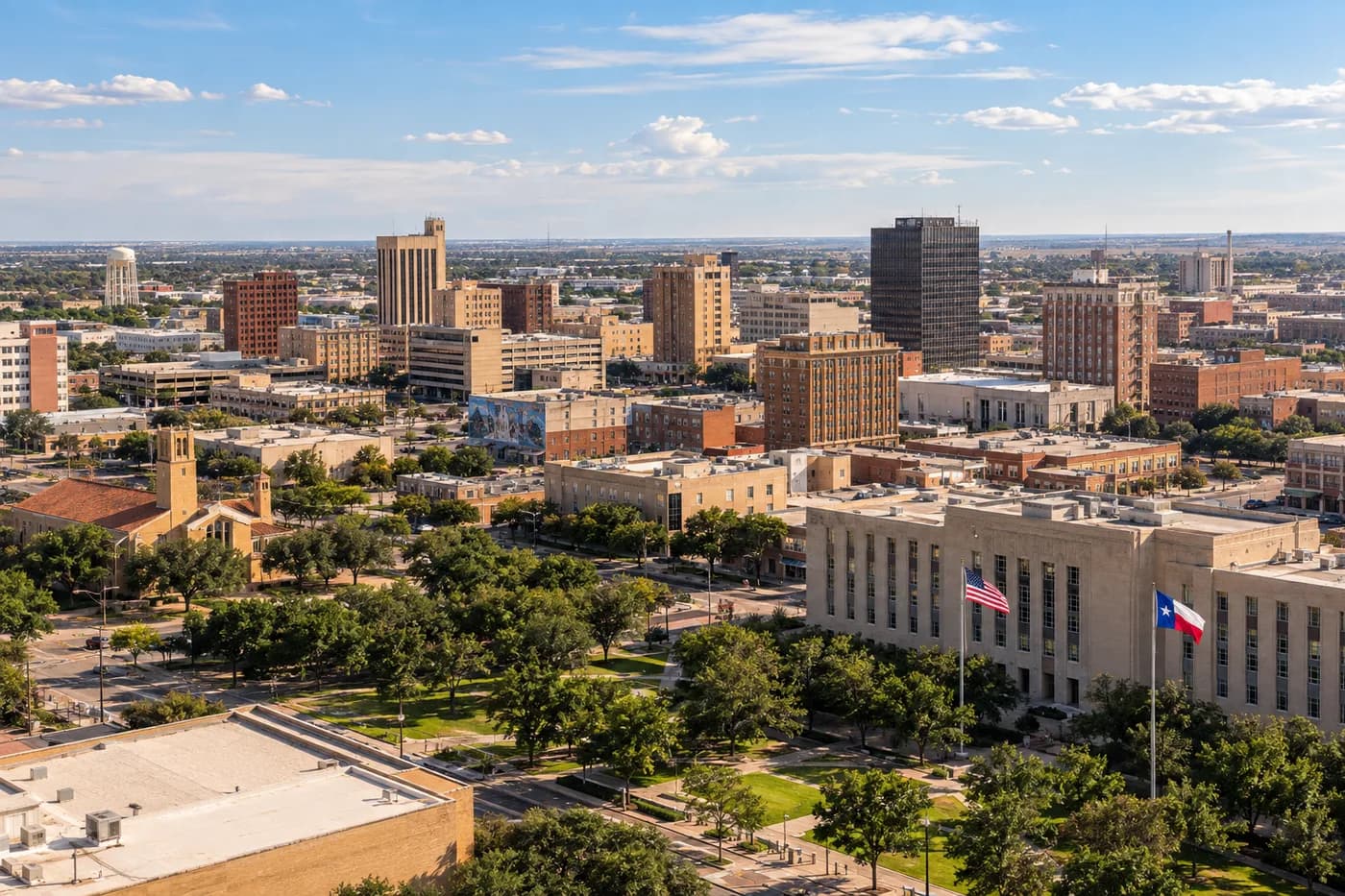
Cold Semi-Arid · urban setting
Read the local guide →