Around Indiana
Conditions vary across the state. Choose your city below, then describe what’s happening around your home or business.
Local bee information
Learn what to look for around your property, explore your city, and ask about an inspection or a quote.
Conditions vary across the state. Choose your city below, then describe what’s happening around your home or business.
Where you see bees, how long it has been going on, and anything you’ve already tried are the most useful details to mention.
Ask about an inspection, what treatment would involve, and whether follow-up visits are included. You don’t need to identify the problem yourself before getting in touch.
Before you compare quotes, it helps to know which bees actually live in Indiana, when they are busiest, and what the state figures look like. Everything below links to the agency or university page it came from.
Carpenter bees drill 'during May and June' and 'emerge again in April and May' (Purdue).
Purdue: tunnels are 'approximately ½ inch in diameter' and run '6 – 8 inches' with the grain; 'structural damage only occurs after many years'. Painting, pressure treating, or varnishing is the best prevention.
Sources: CDC MMWR; Honey Bee Colonies (August 2026); Carpenter Bees; Rusty Patched Bumble Bee. Figures are quoted as the source prints them. How we check our sources

Humid Continental · suburban setting
Read the local guide →
Humid Continental · suburban setting
Read the local guide →
Humid Continental · suburban setting
Read the local guide →
Humid Subtropical · urban setting
Read the local guide →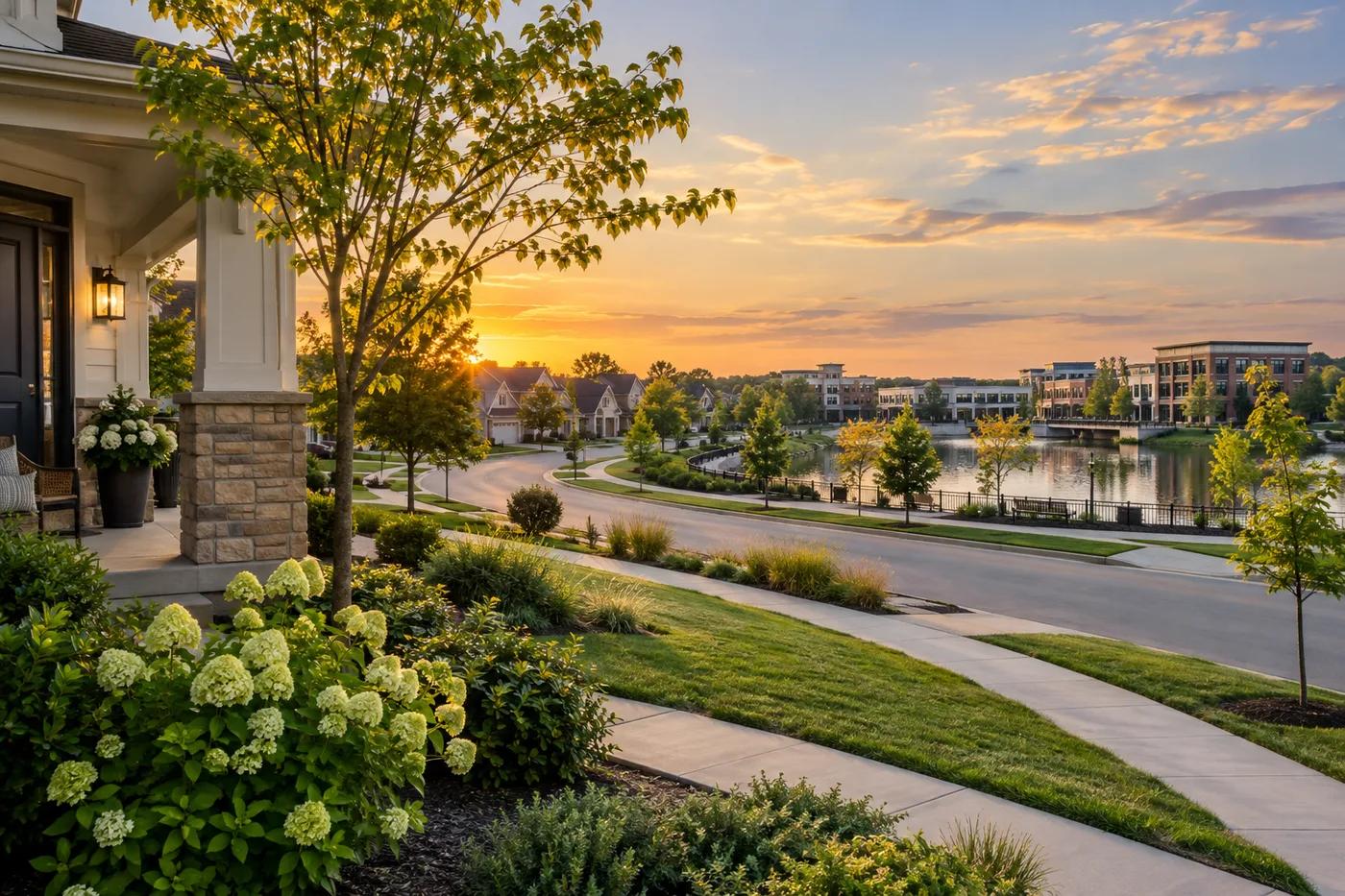
Humid Continental · suburban setting
Read the local guide →
Humid Continental · urban setting
Read the local guide →
Humid Continental · urban setting
Read the local guide →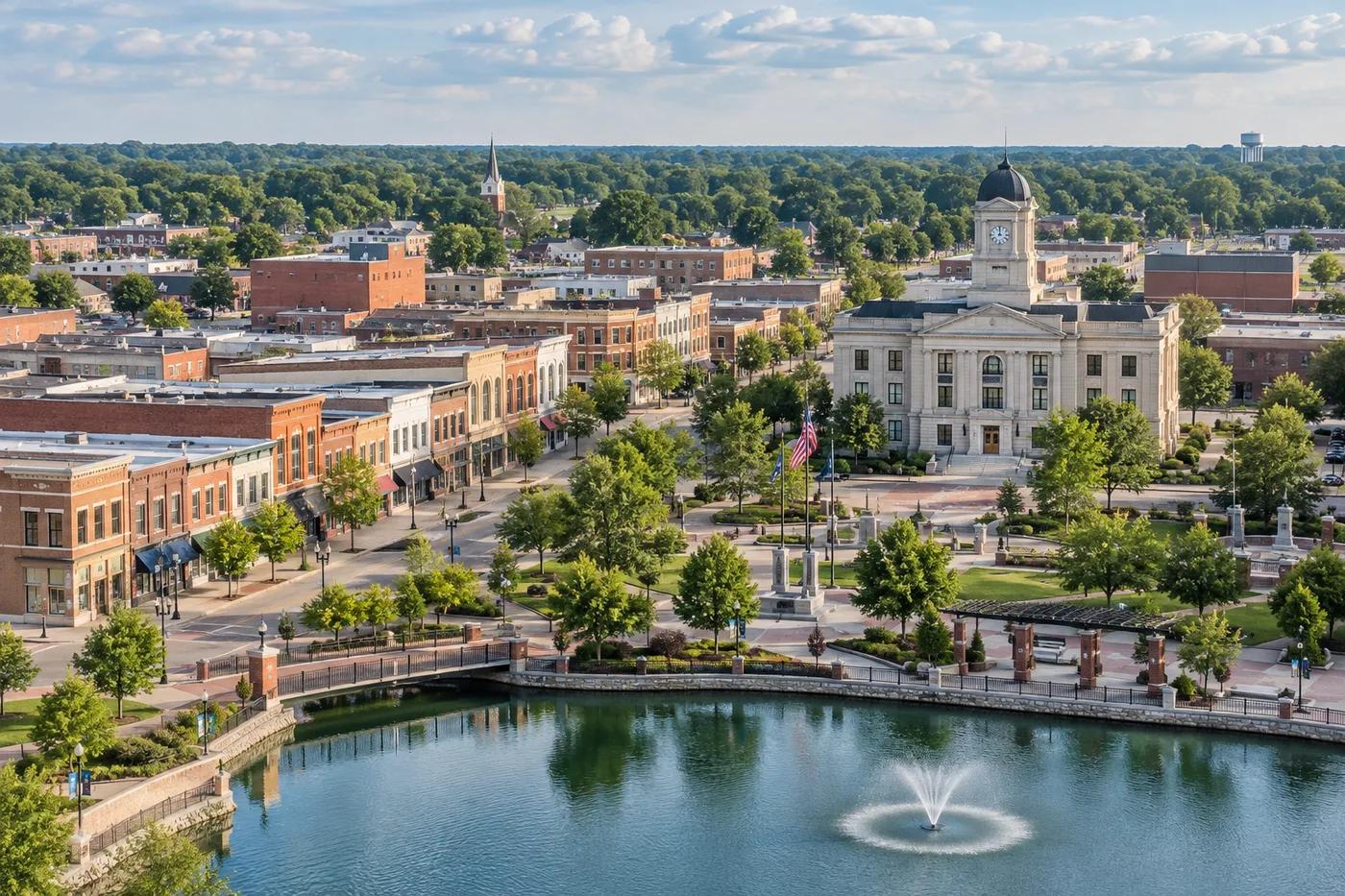
Humid Continental · suburban setting
Read the local guide →
Humid Continental · urban setting
Read the local guide →
Humid Continental · urban setting
Read the local guide →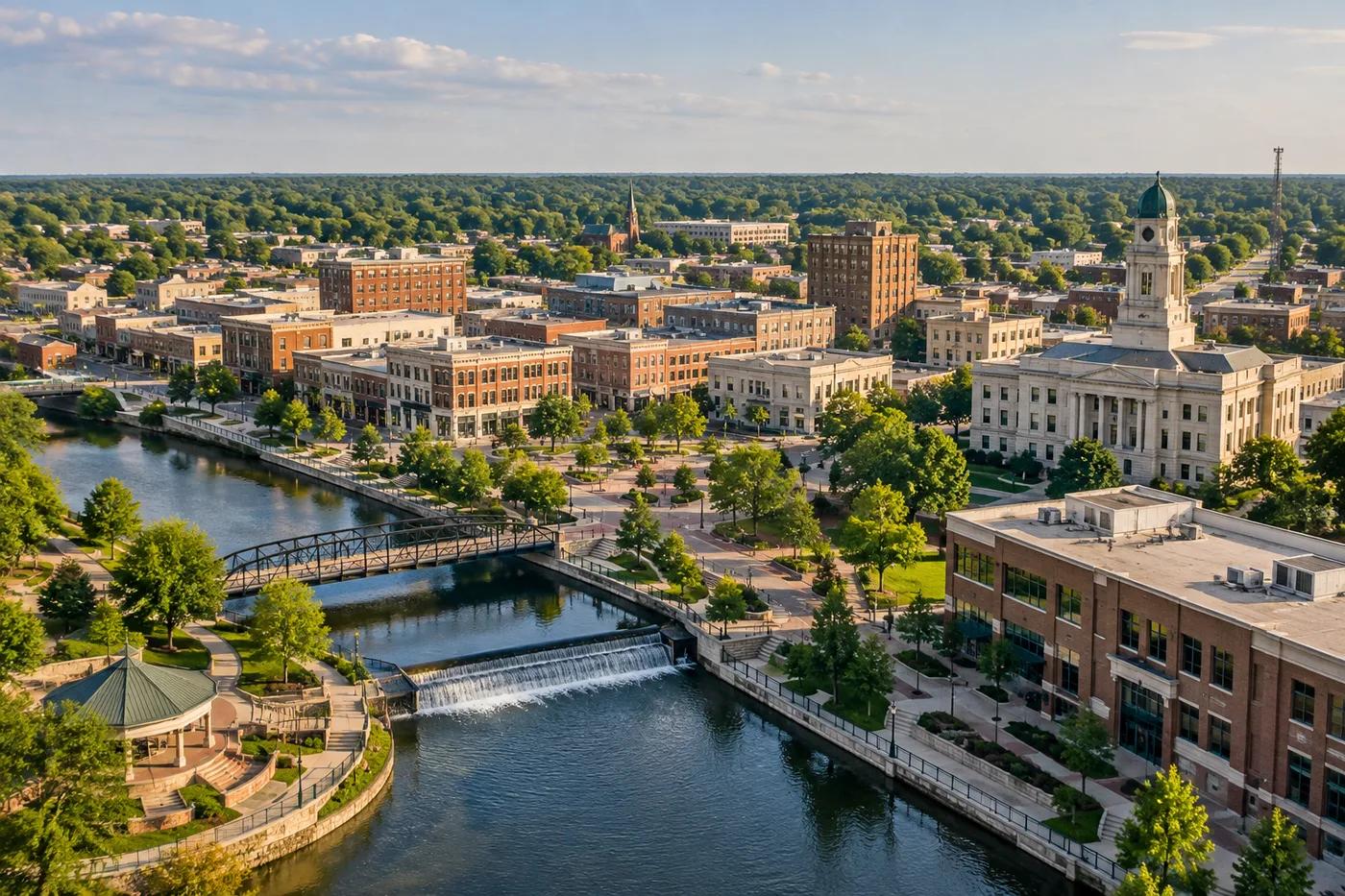
Humid Continental · suburban setting
Read the local guide →
Humid Continental · urban setting
Read the local guide →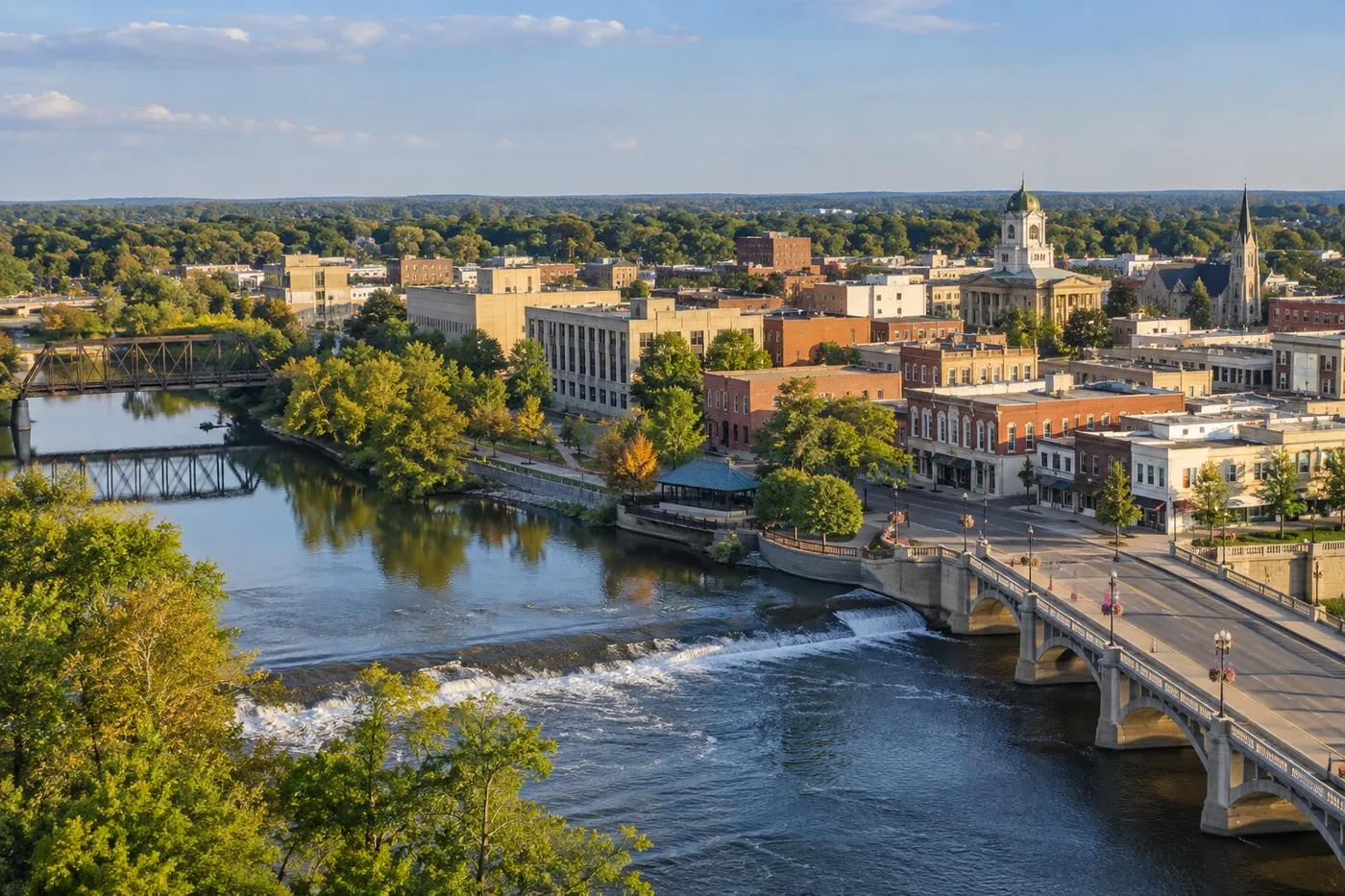
Humid Continental · suburban setting
Read the local guide →
Humid Continental · suburban setting
Read the local guide →
Humid Continental · suburban setting
Read the local guide →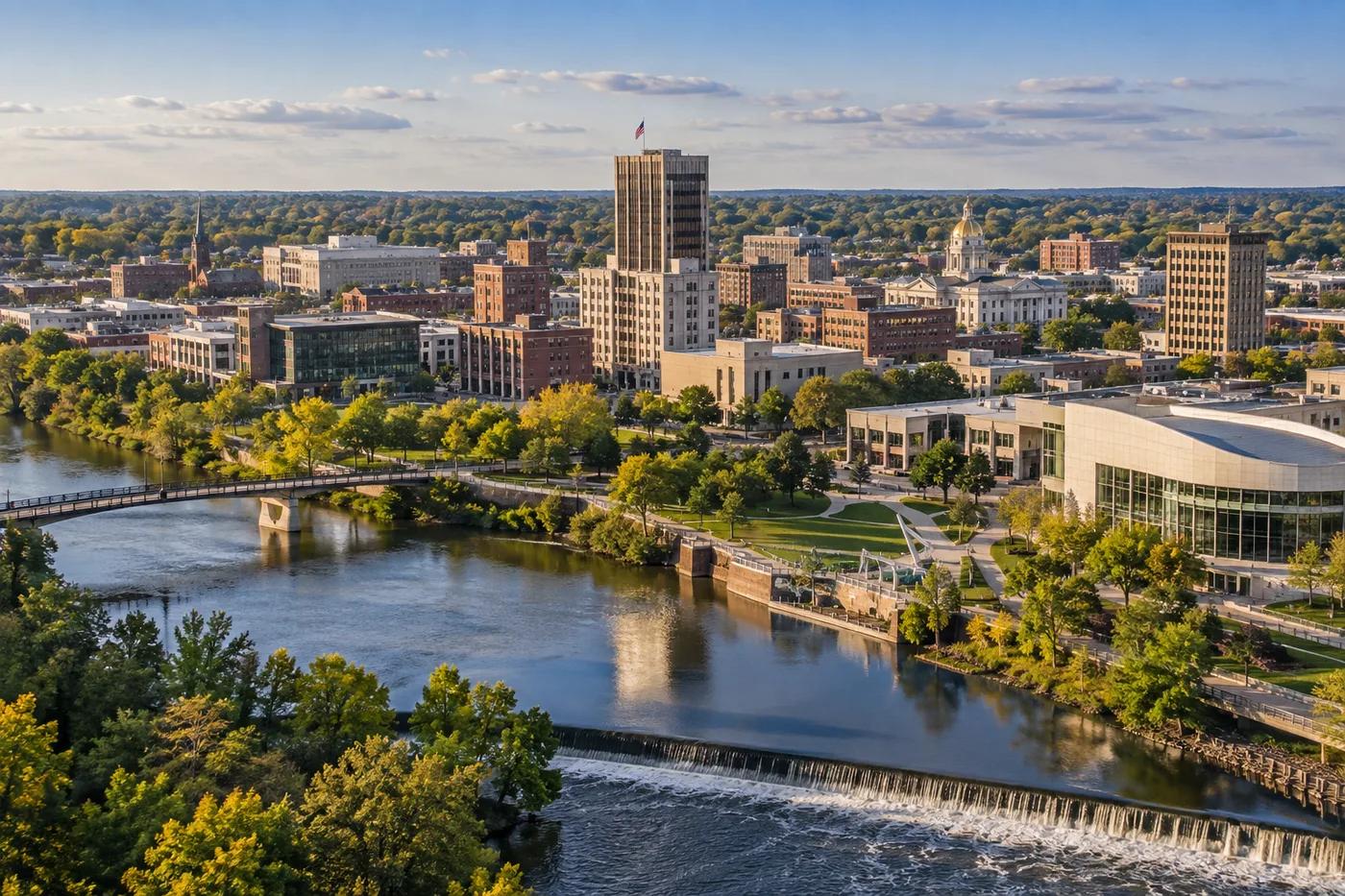
Humid Continental · urban setting
Read the local guide →
Humid Continental · suburban setting
Read the local guide →
Humid Continental · suburban setting
Read the local guide →