Around California
Conditions vary across the state. Choose your city below, then describe what’s happening around your home or business.
Local bee information
Learn what to look for around your property, explore your city, and ask about an inspection or a quote.
Conditions vary across the state. Choose your city below, then describe what’s happening around your home or business.
Where you see bees, how long it has been going on, and anything you’ve already tried are the most useful details to mention.
Ask about an inspection, what treatment would involve, and whether follow-up visits are included. You don’t need to identify the problem yourself before getting in touch.
Before you compare quotes, it helps to know which bees actually live in California, when they are busiest, and what the state figures look like. Everything below links to the agency or university page it came from.
Managed hives are the source of the spring swarms that end up in homes and trees; the state table is on page 7 of the report.
USDA National Agricultural Statistics ServicePercent of maximum colonies lost during the first quarter of 2026 in this state.
USDA National Agricultural Statistics ServiceSince then AHB 'have become the majority of feral bee colonies found in nature' in Southern California.
UC Agriculture and Natural ResourcesSwarms come 'usually in the spring but sometimes at other times of the year when local conditions permit' (UC IPM). AHB has colonized 'all Southern California counties, and the southern Central Valley' as of 2008 (UC Riverside CISR).
UC IPM: 'in some areas your only option will be to hire a structural pest control company', and pesticides labeled for killing bees inside structures 'are available only to licensed pest control operators'. Killing a colony in place risks fermenting honey seeping through drywall. San Diego County notes AHB 'follow and attack intruders for up to a quarter mile away'.
Sources: Honey Bee Colonies (August 2026); UC Agriculture and Natural Resources; CDC MMWR; African Honey Bee, Africanized Honey Bee, Killer Bee (EENY-429 / IN790); Apidae: Bumble Bees (Bombus spp.) — Hortsense. Figures are quoted as the source prints them. How we check our sources
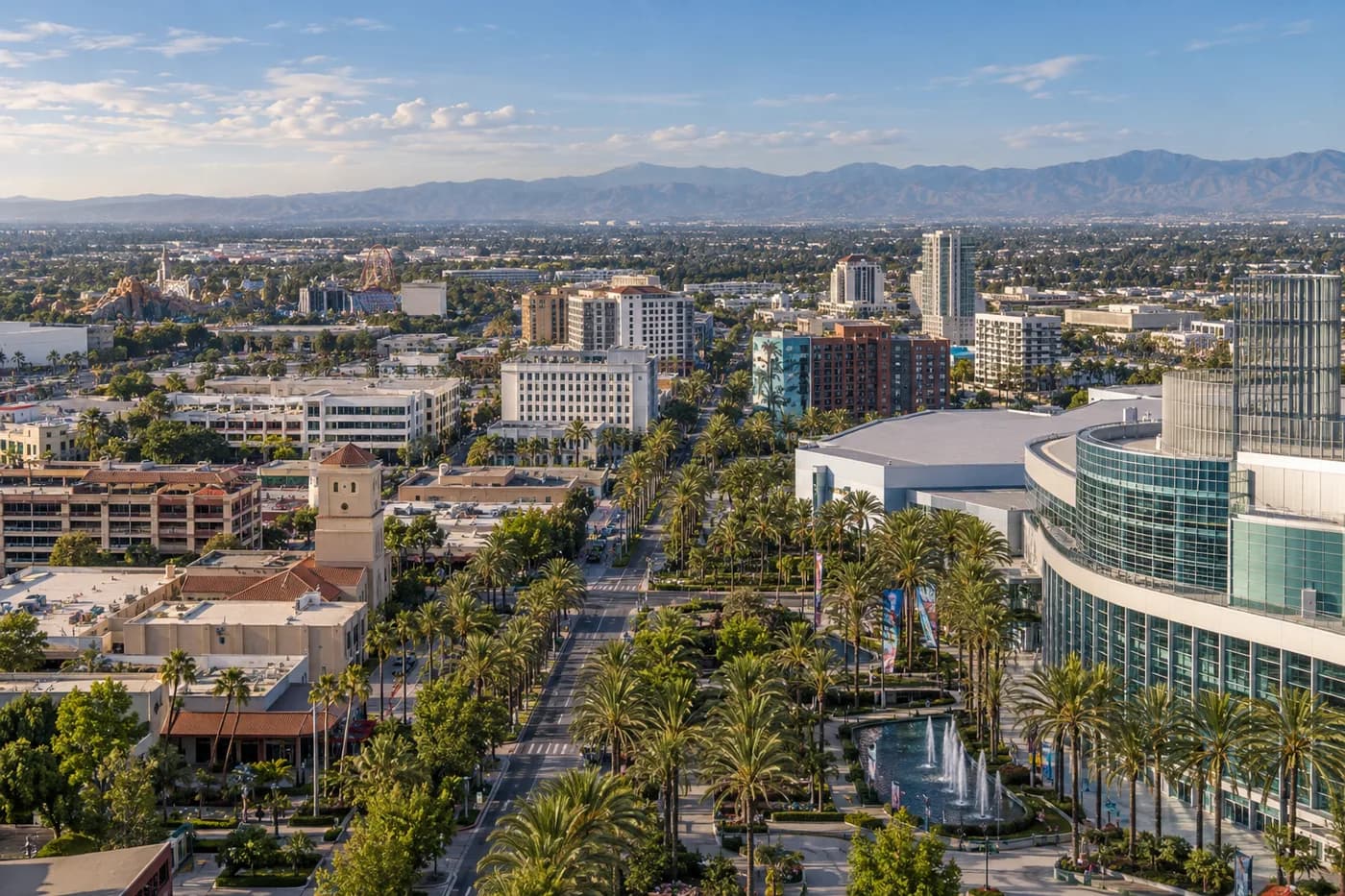
Mediterranean · urban setting
Read the local guide →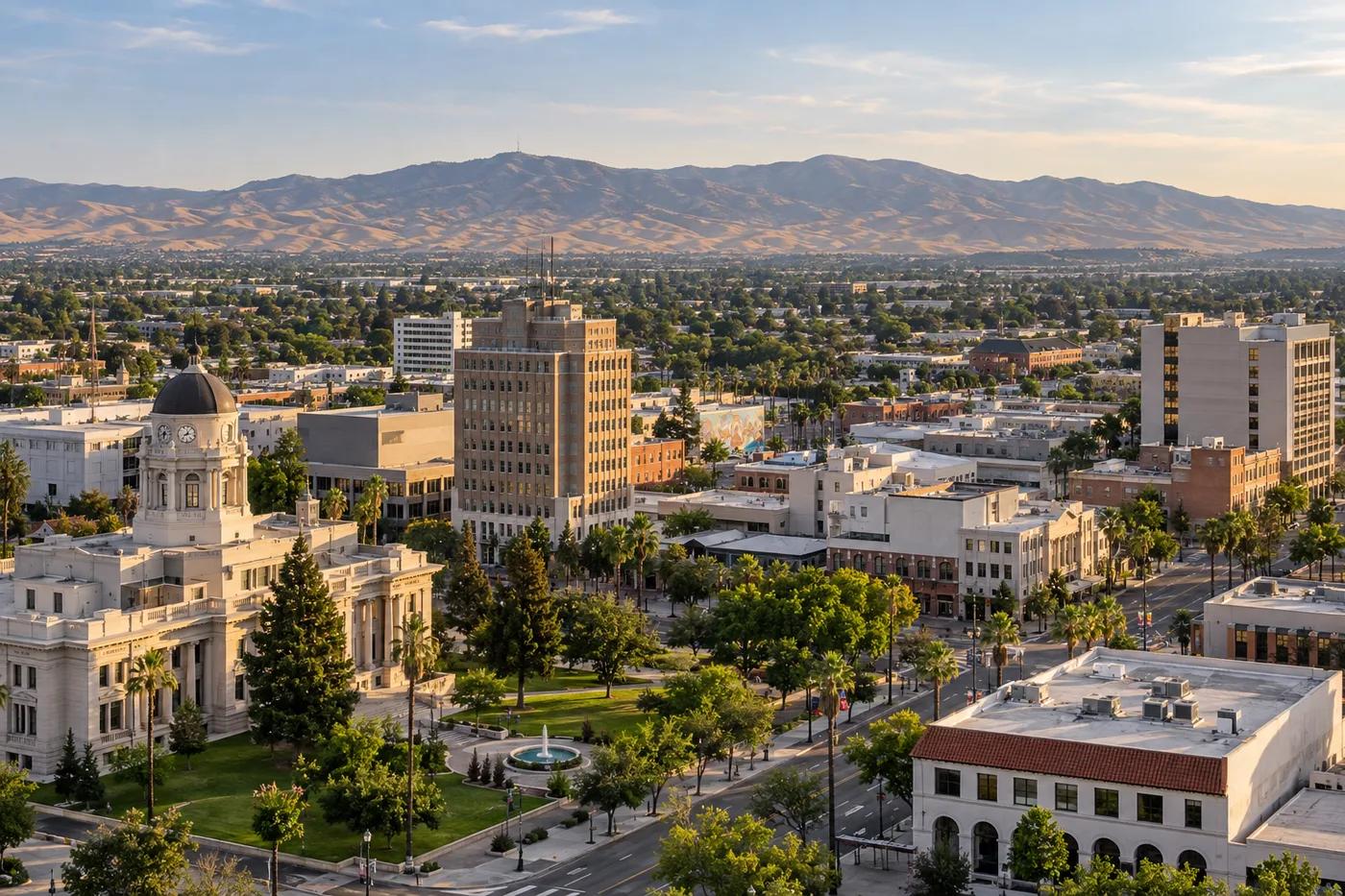
Semi-Arid · urban setting
Read the local guide →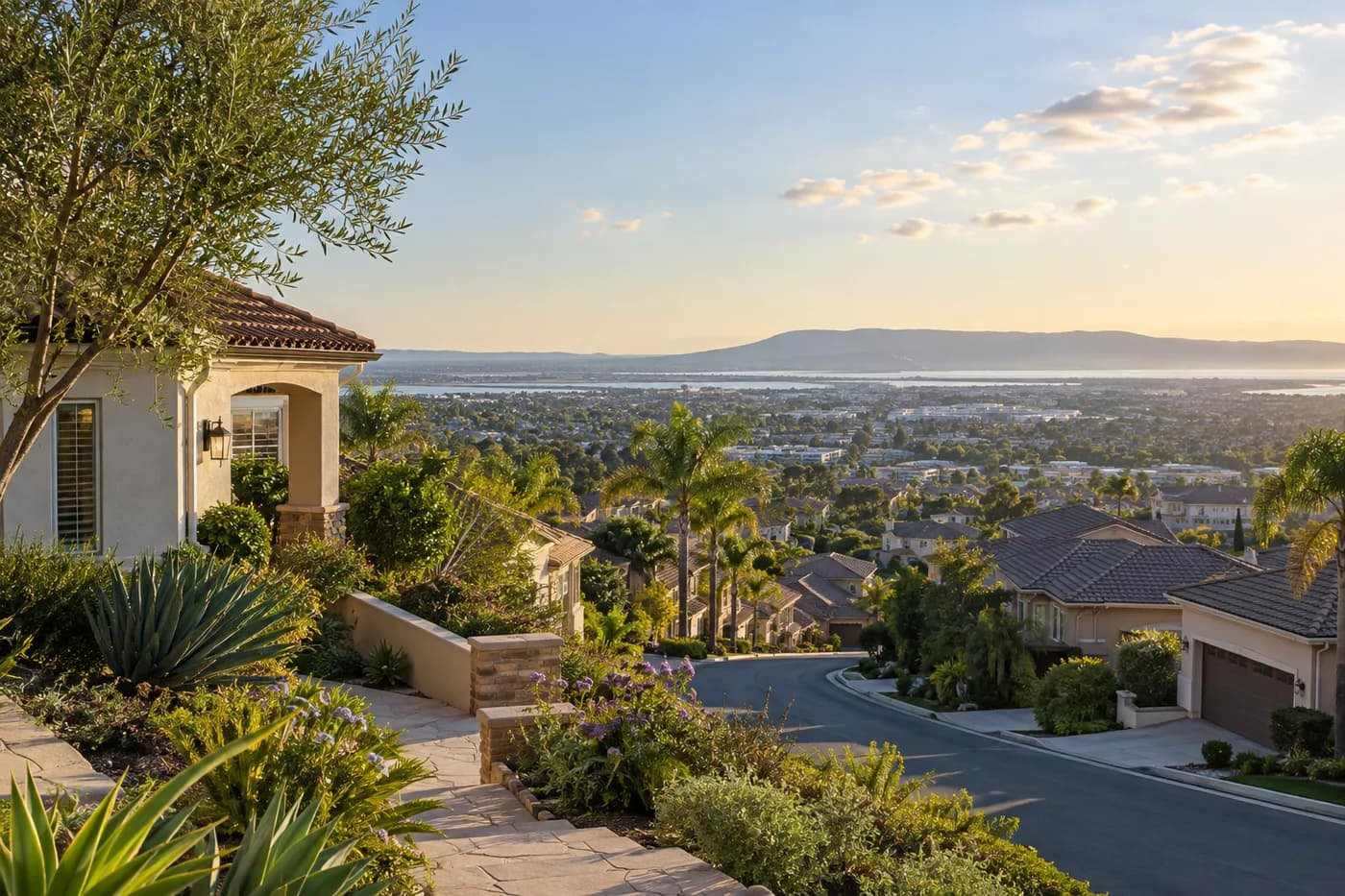
Mediterranean · urban setting
Read the local guide →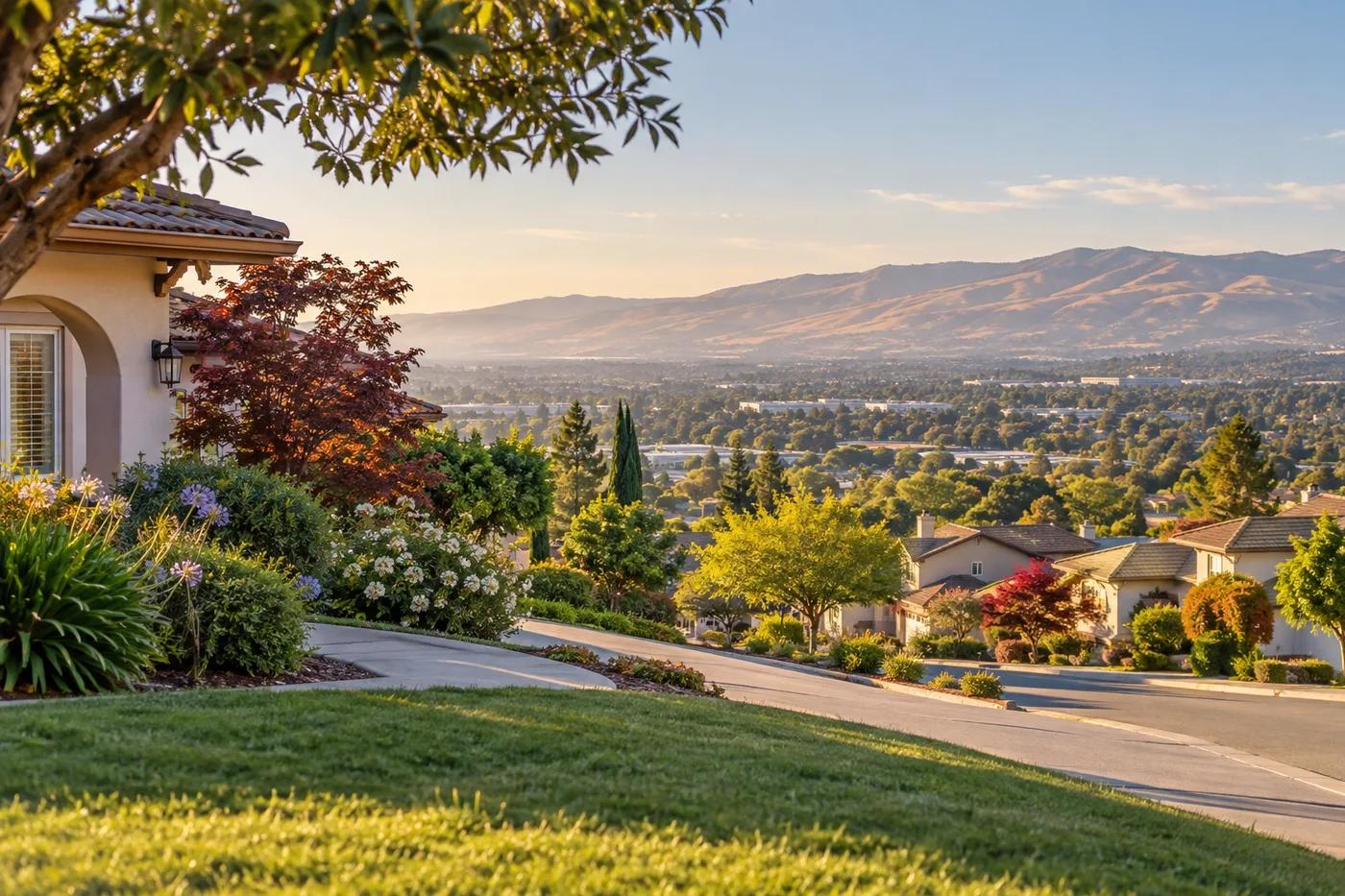
Mediterranean · urban setting
Read the local guide →
Semi-Arid · urban setting
Read the local guide →
Mediterranean · urban setting
Read the local guide →
Mediterranean · urban setting
Read the local guide →
Mediterranean · urban setting
Read the local guide →
Mediterranean · urban setting
Read the local guide →
Mediterranean · urban setting
Read the local guide →
Mediterranean · urban setting
Read the local guide →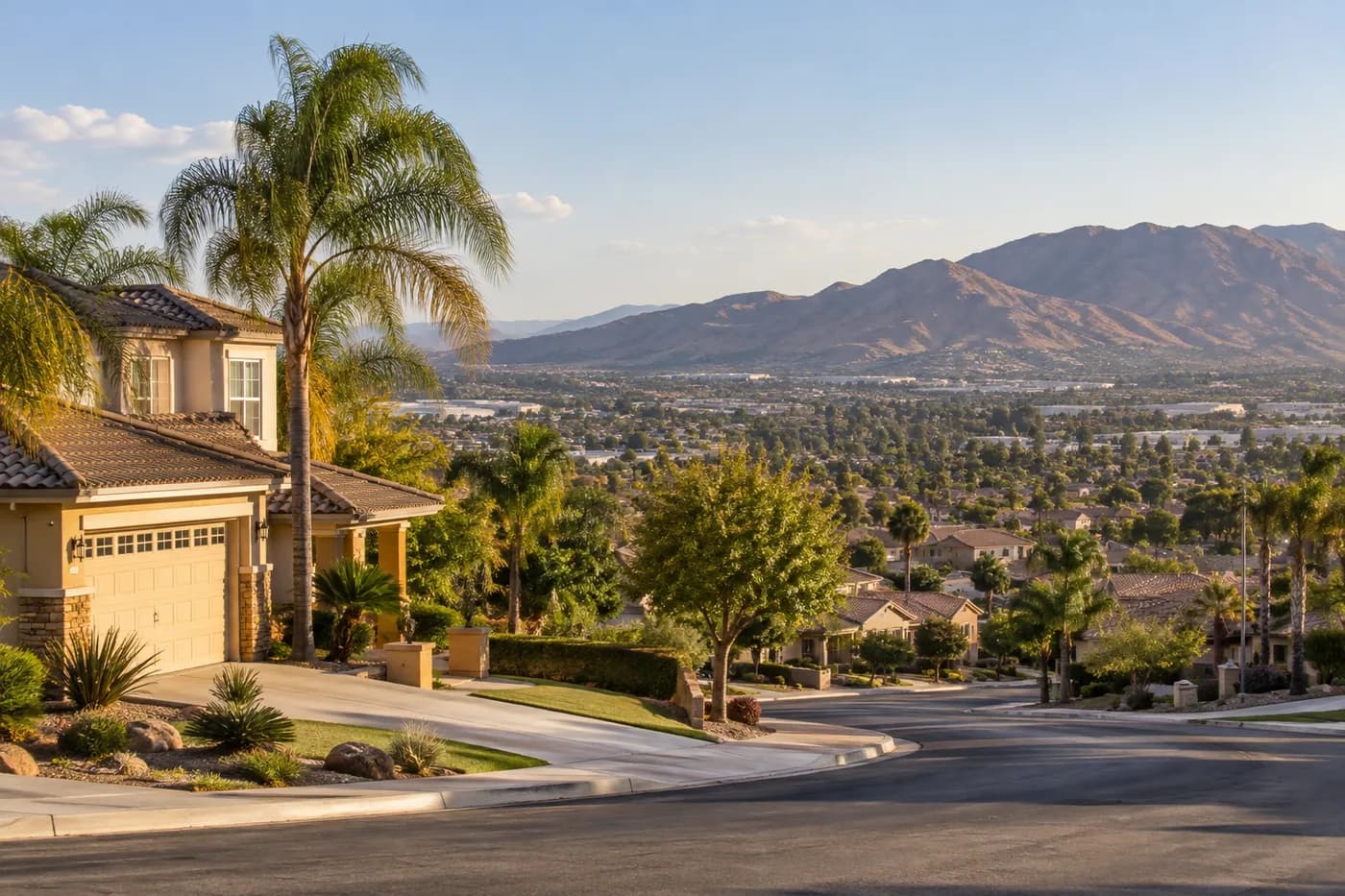
Semi-Arid · suburban setting
Read the local guide →
Mediterranean · urban setting
Read the local guide →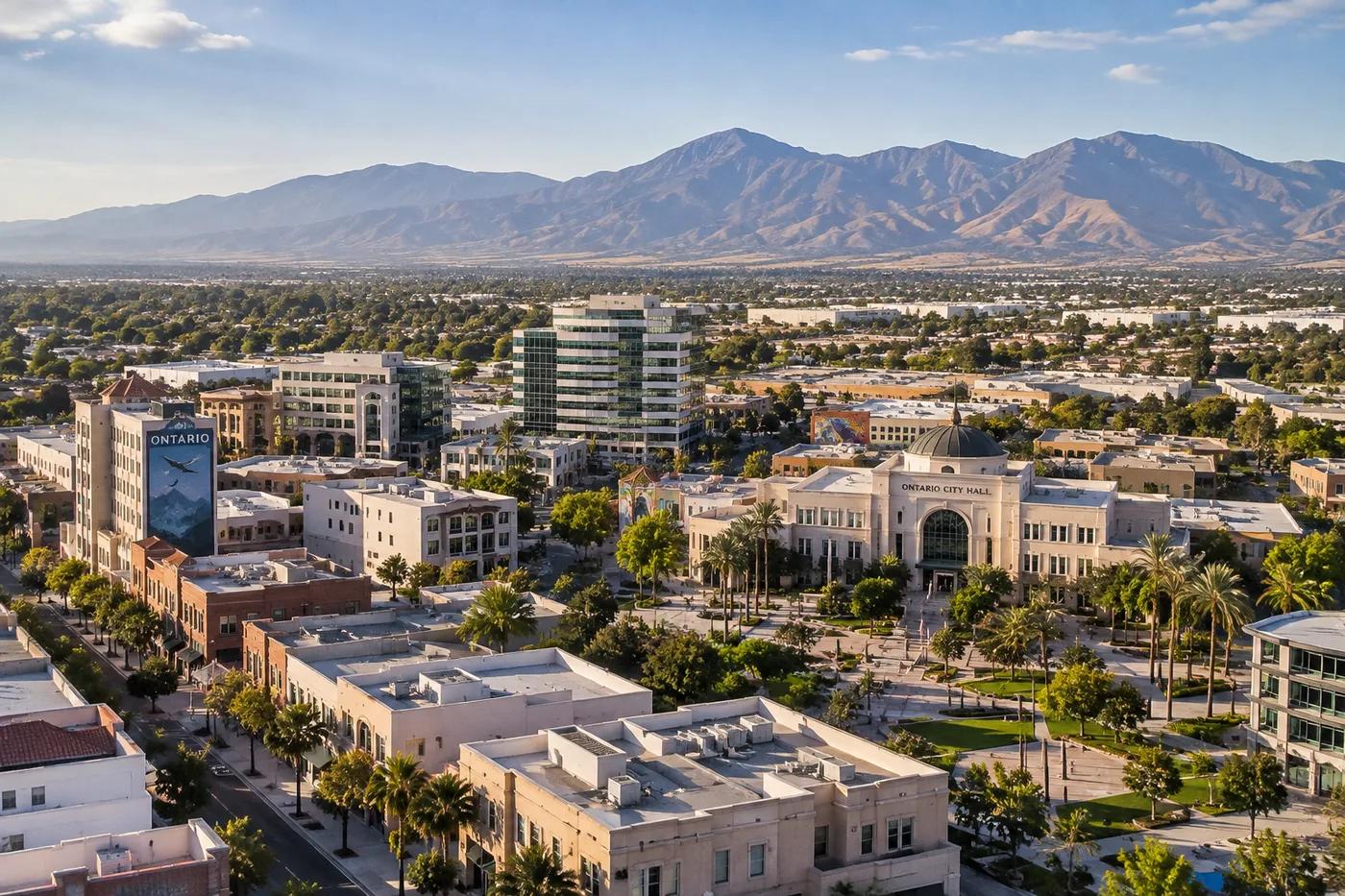
Semi-Arid · urban setting
Read the local guide →
Mediterranean · urban setting
Read the local guide →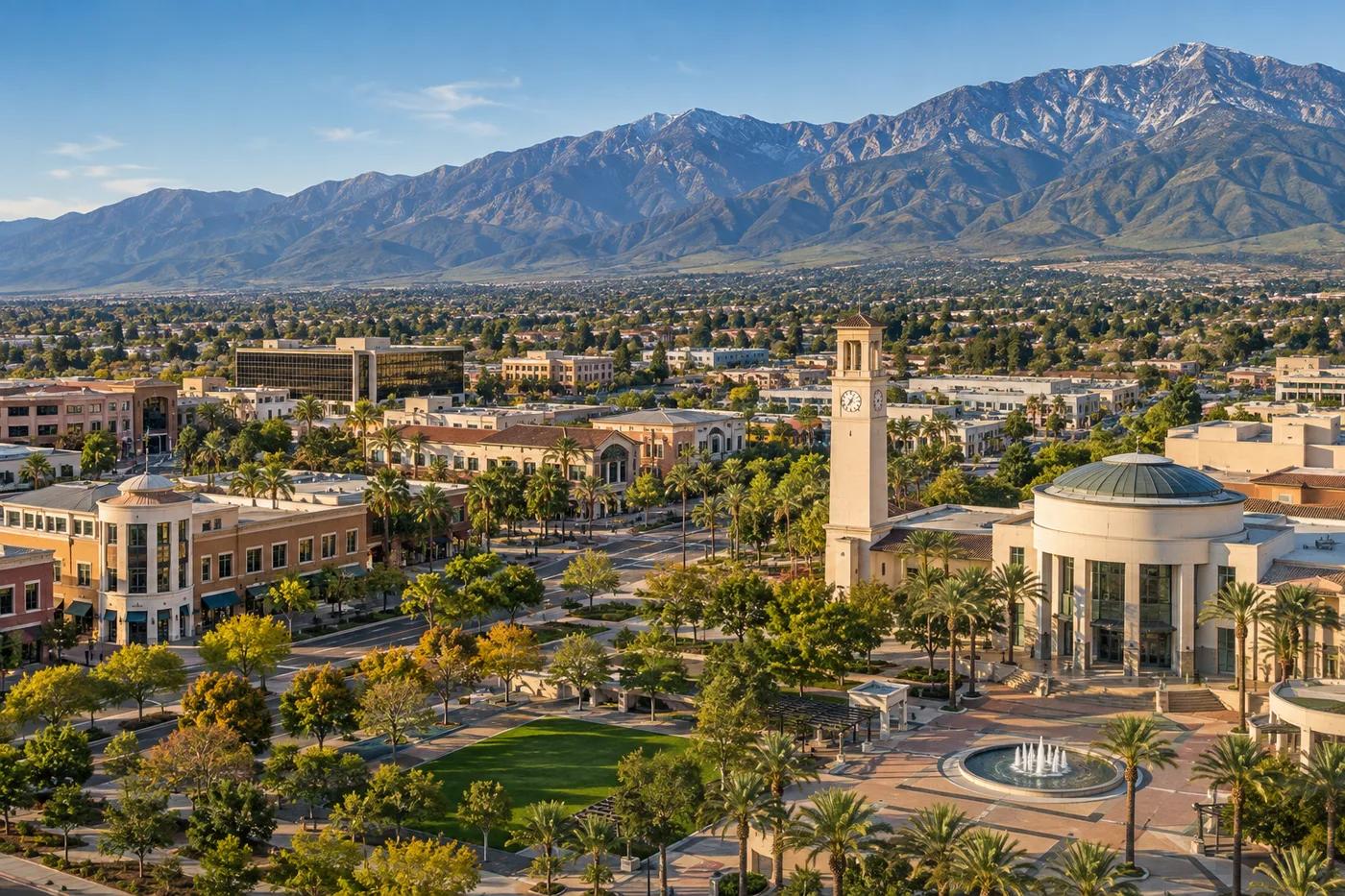
Semi-Arid · suburban setting
Read the local guide →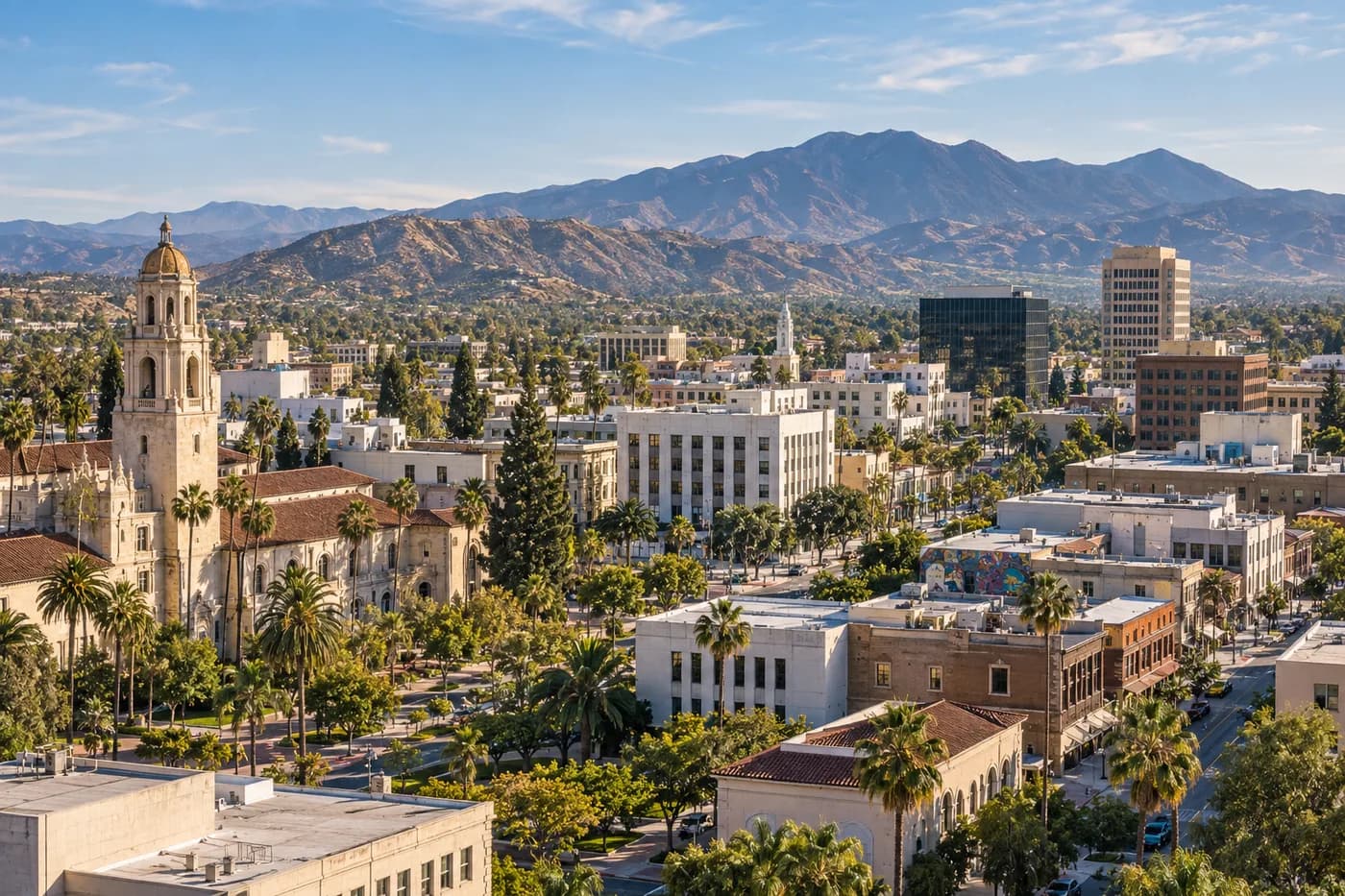
Semi-Arid · urban setting
Read the local guide →
Mediterranean · urban setting
Read the local guide →
Semi-Arid · urban setting
Read the local guide →
Mediterranean · urban setting
Read the local guide →
Mediterranean · urban setting
Read the local guide →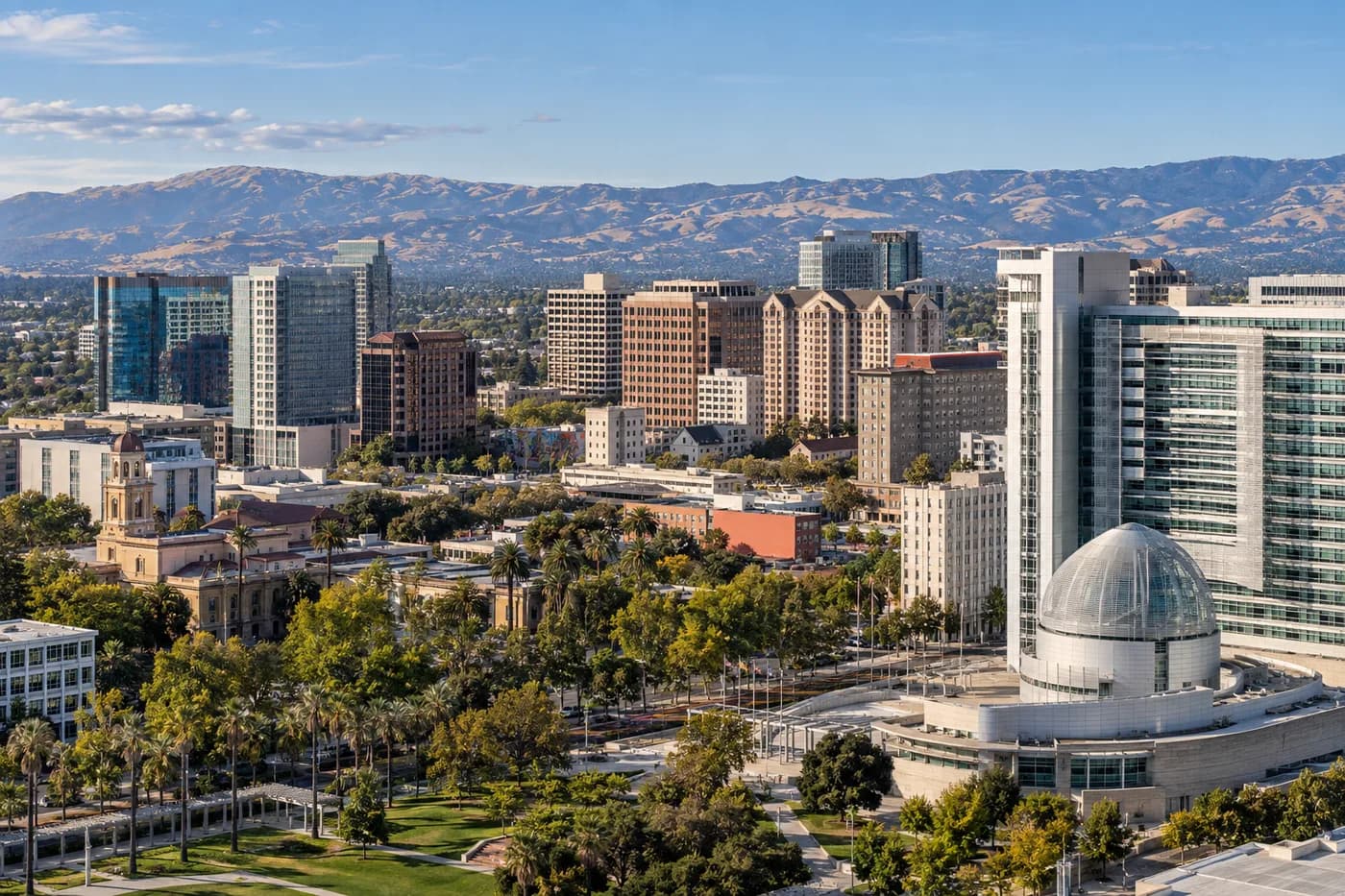
Mediterranean · urban setting
Read the local guide →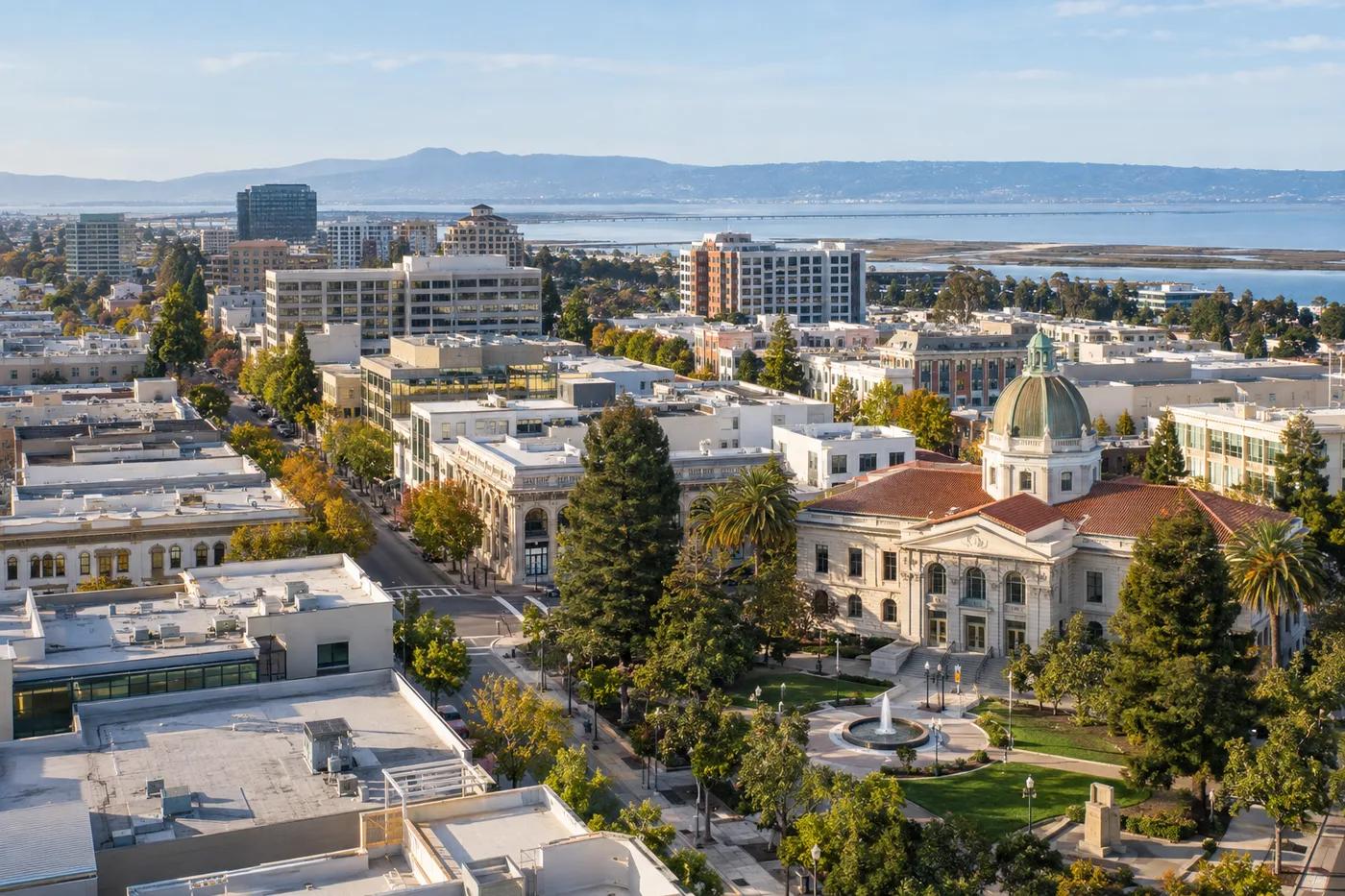
Mediterranean · urban setting
Read the local guide →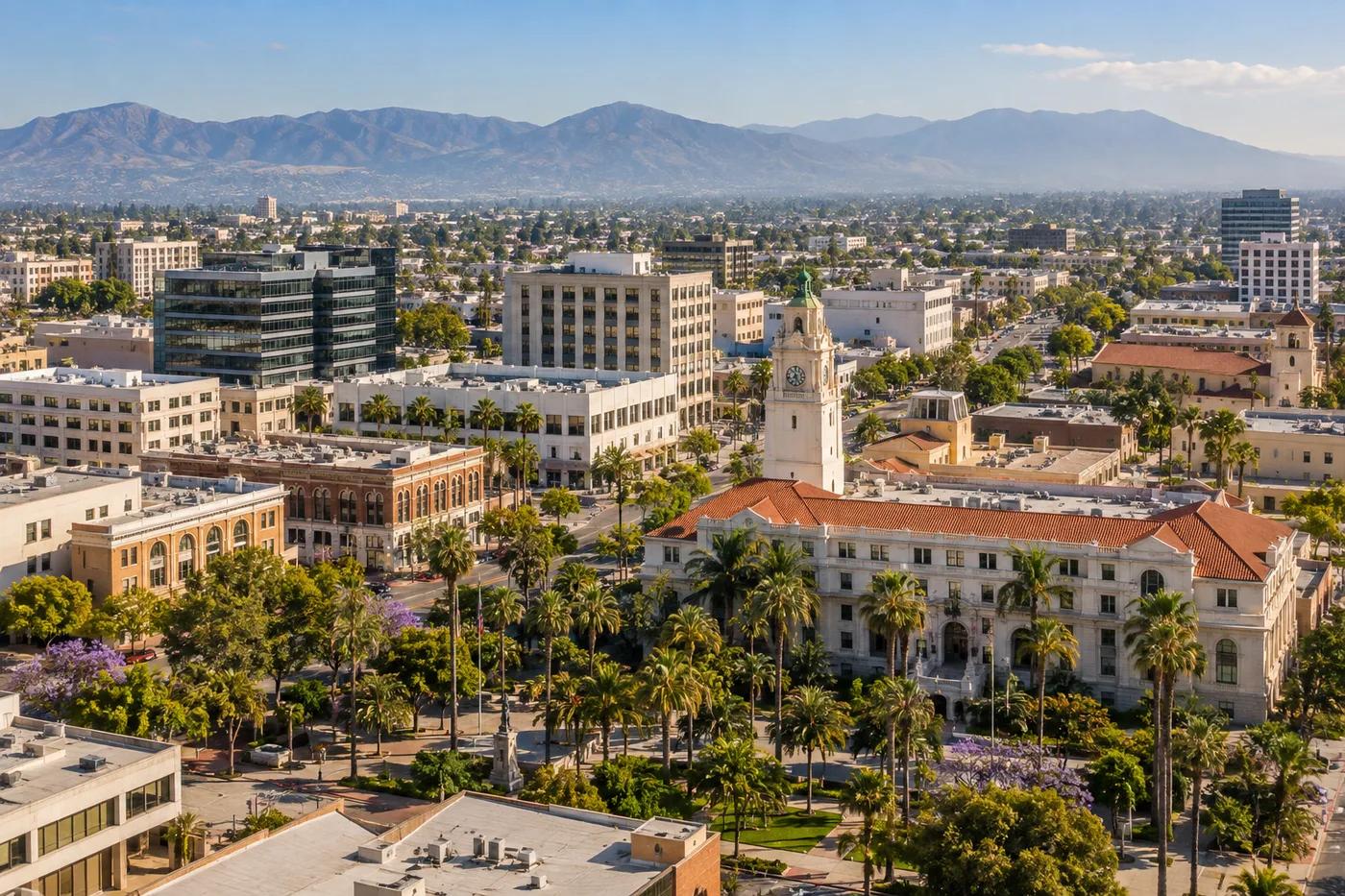
Mediterranean · urban setting
Read the local guide →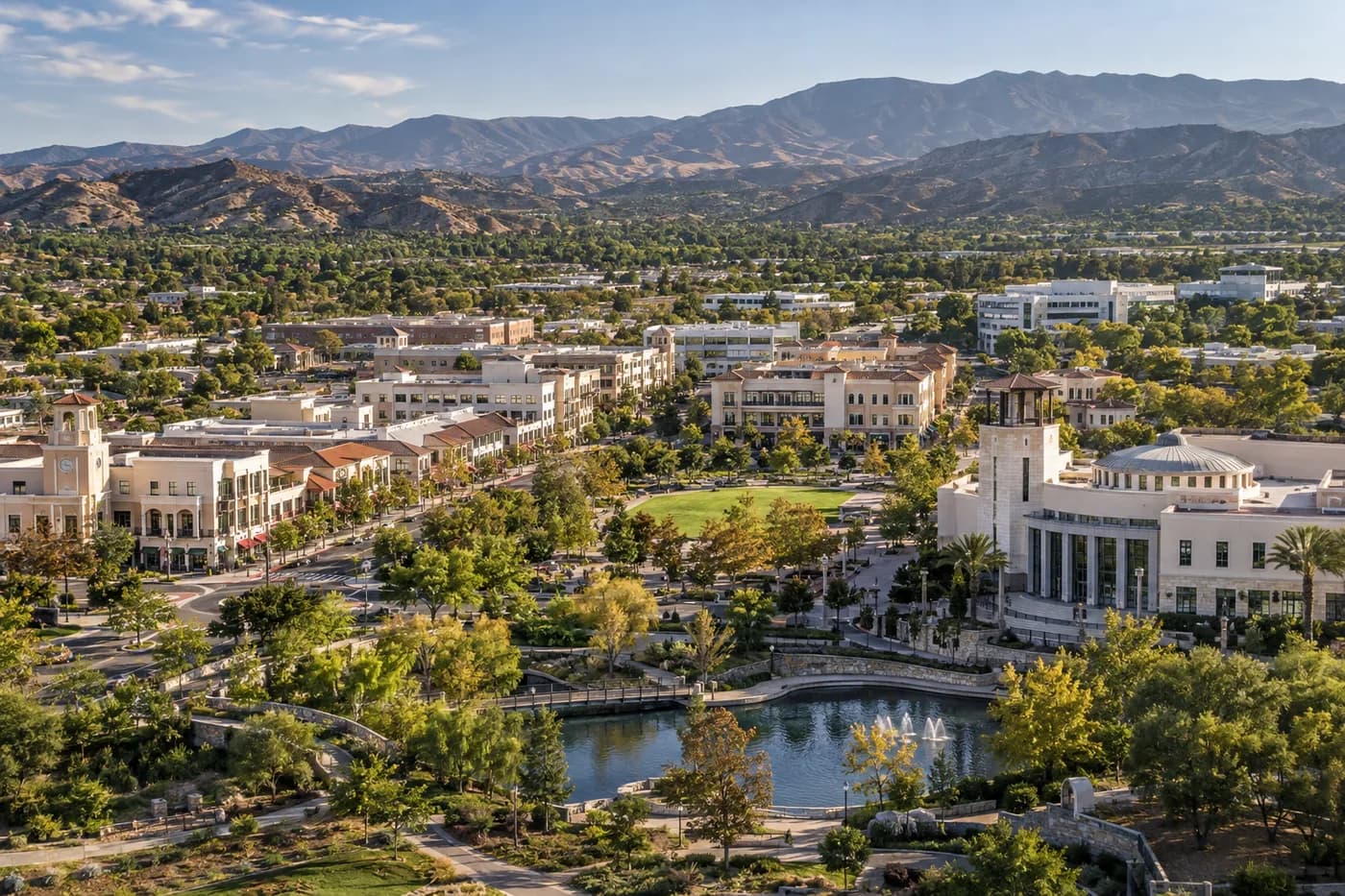
Semi-Arid · suburban setting
Read the local guide →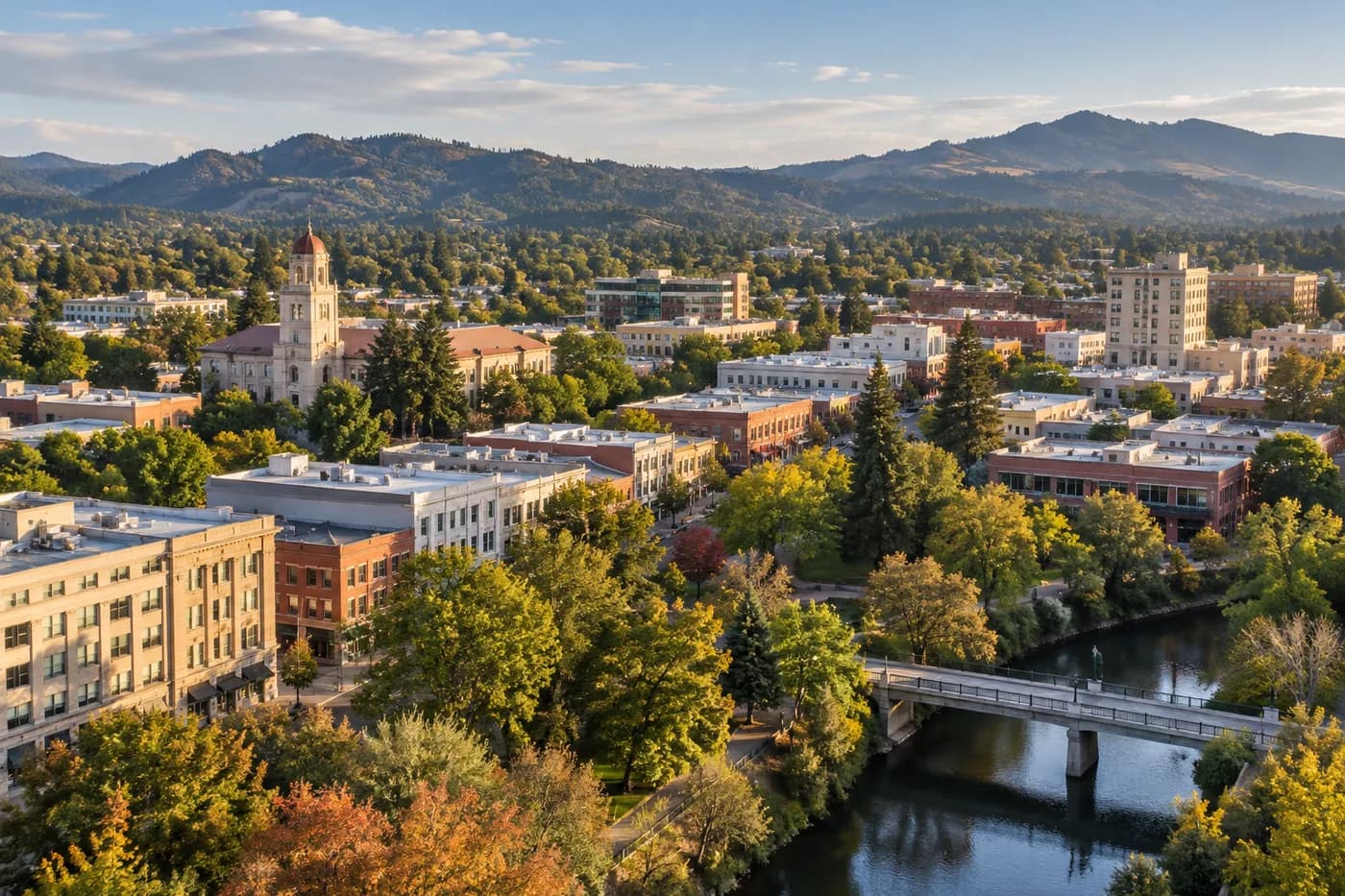
Mediterranean · urban setting
Read the local guide →
Mediterranean · urban setting
Read the local guide →
Mediterranean · urban setting
Read the local guide →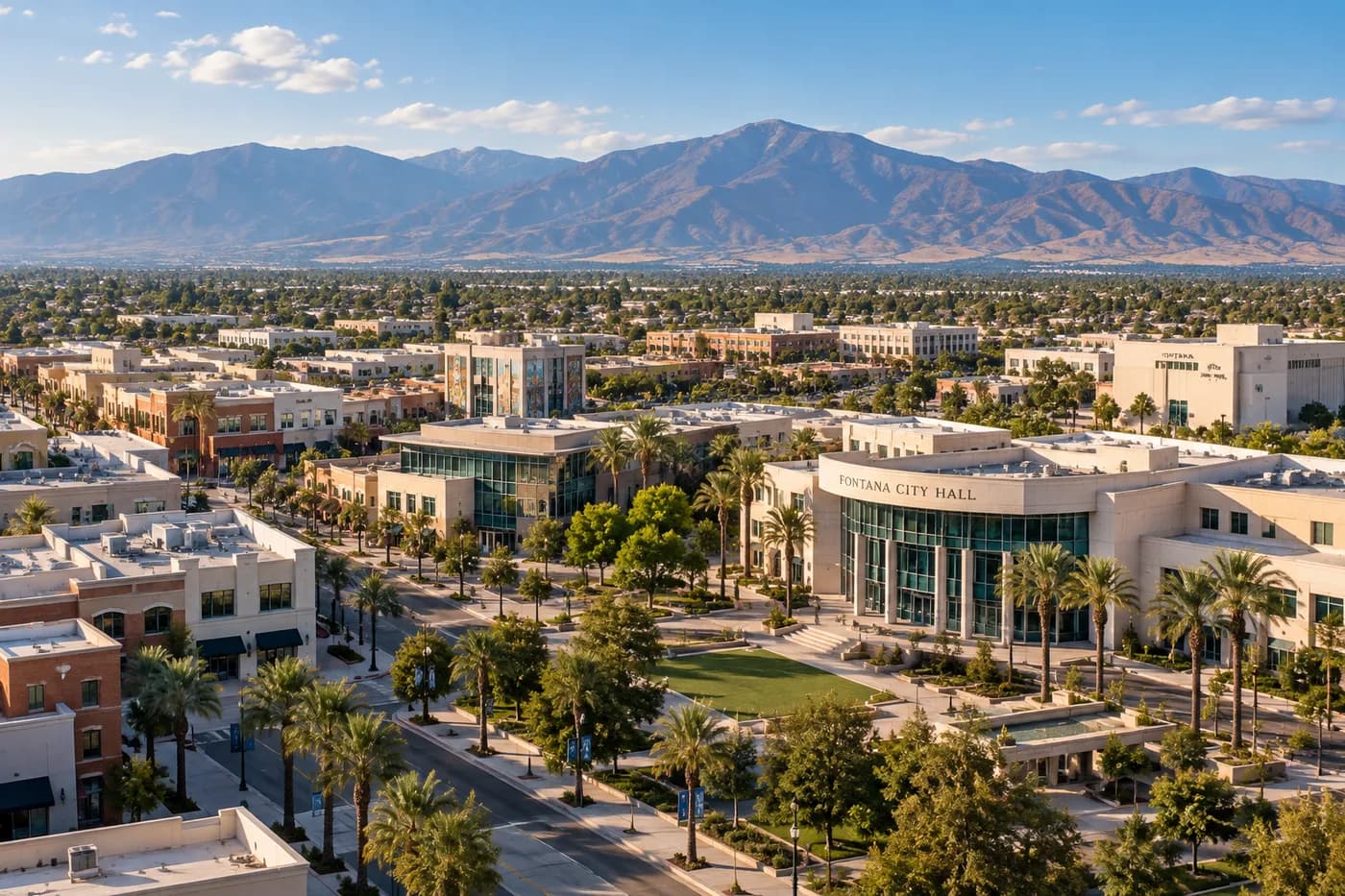
Hot-Summer Mediterranean · urban setting
Read the local guide →