Around Arizona
Conditions vary across the state. Choose your city below, then describe what’s happening around your home or business.
Local bee information
Learn what to look for around your property, explore your city, and ask about an inspection or a quote.
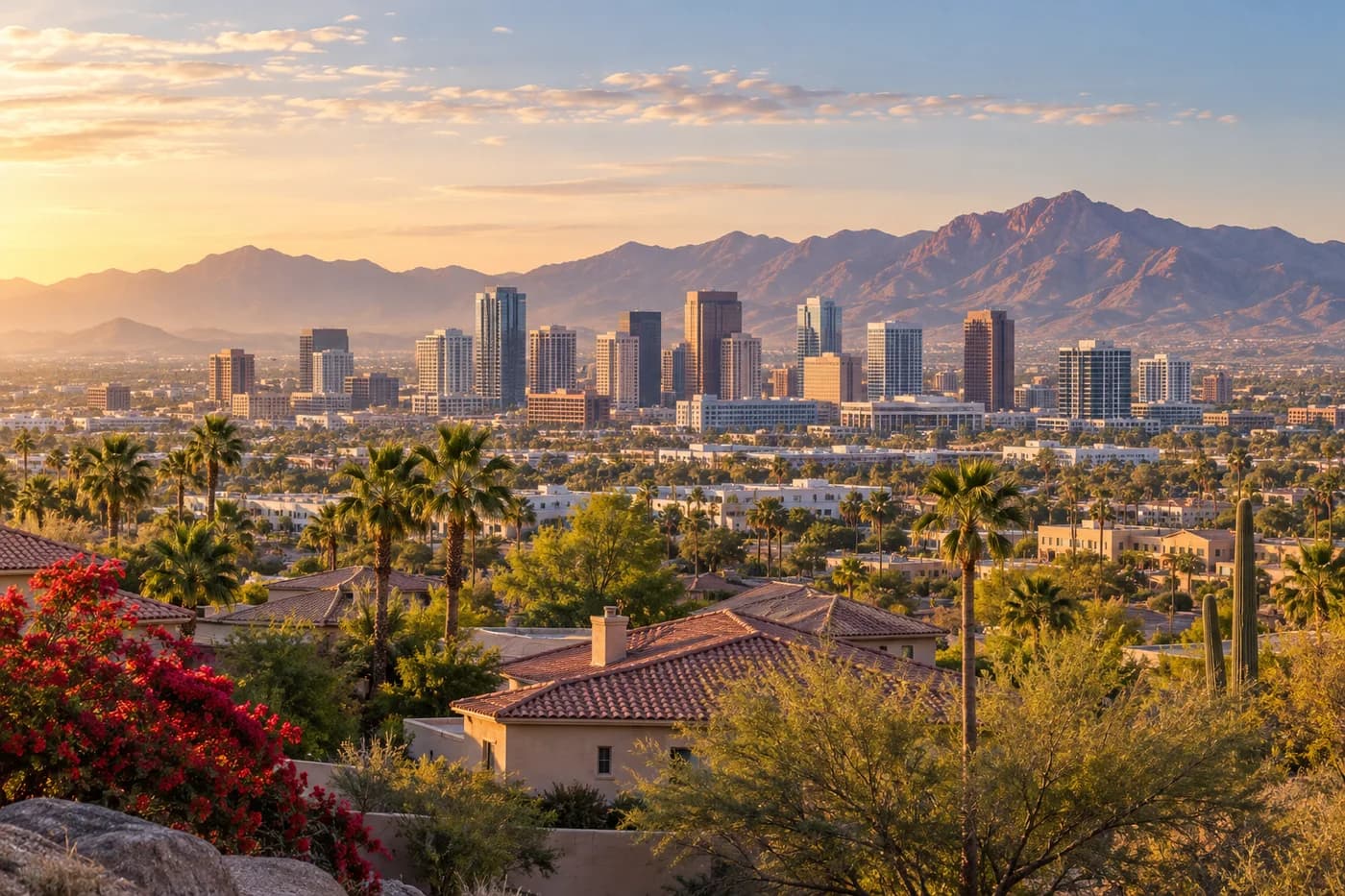
Conditions vary across the state. Choose your city below, then describe what’s happening around your home or business.
Where you see bees, how long it has been going on, and anything you’ve already tried are the most useful details to mention.
Ask about an inspection, what treatment would involve, and whether follow-up visits are included. You don’t need to identify the problem yourself before getting in touch.
Before you compare quotes, it helps to know which bees actually live in Arizona, when they are busiest, and what the state figures look like. Everything below links to the agency or university page it came from.
Arizona was among the first states colonized after Texas; feral colonies are presumed Africanized.
UC Riverside Center for Invasive Species ResearchDesert colonies are active most of the year; USDA ARS (Tucson) notes AHB 'may swarm as often as every six weeks during swarm season'. Nests appear in water meter boxes, block walls, eaves, and overturned pots.
USDA ARS advises staying 'at least 100 feet, or the width of a four-lane highway, from any AHB hive'. Removal of feral colonies is a job for licensed pest control or experienced bee removers, not homeowners.
Sources: UC Riverside Center for Invasive Species Research; CDC MMWR; Honey Bee Colonies (August 2026); African Honey Bee, Africanized Honey Bee, Killer Bee (EENY-429 / IN790). Figures are quoted as the source prints them. How we check our sources
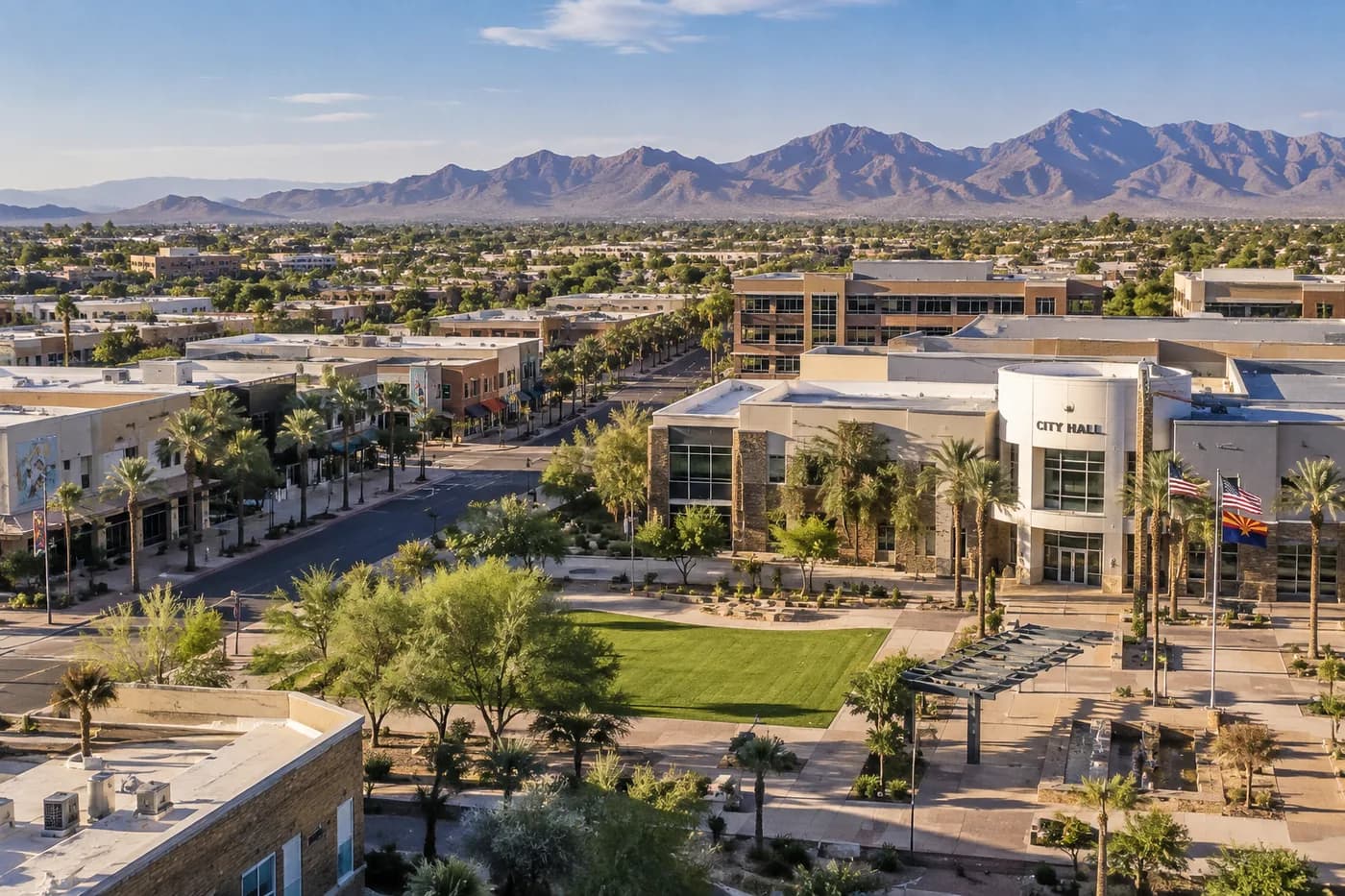
Hot Desert · suburban setting
Read the local guide →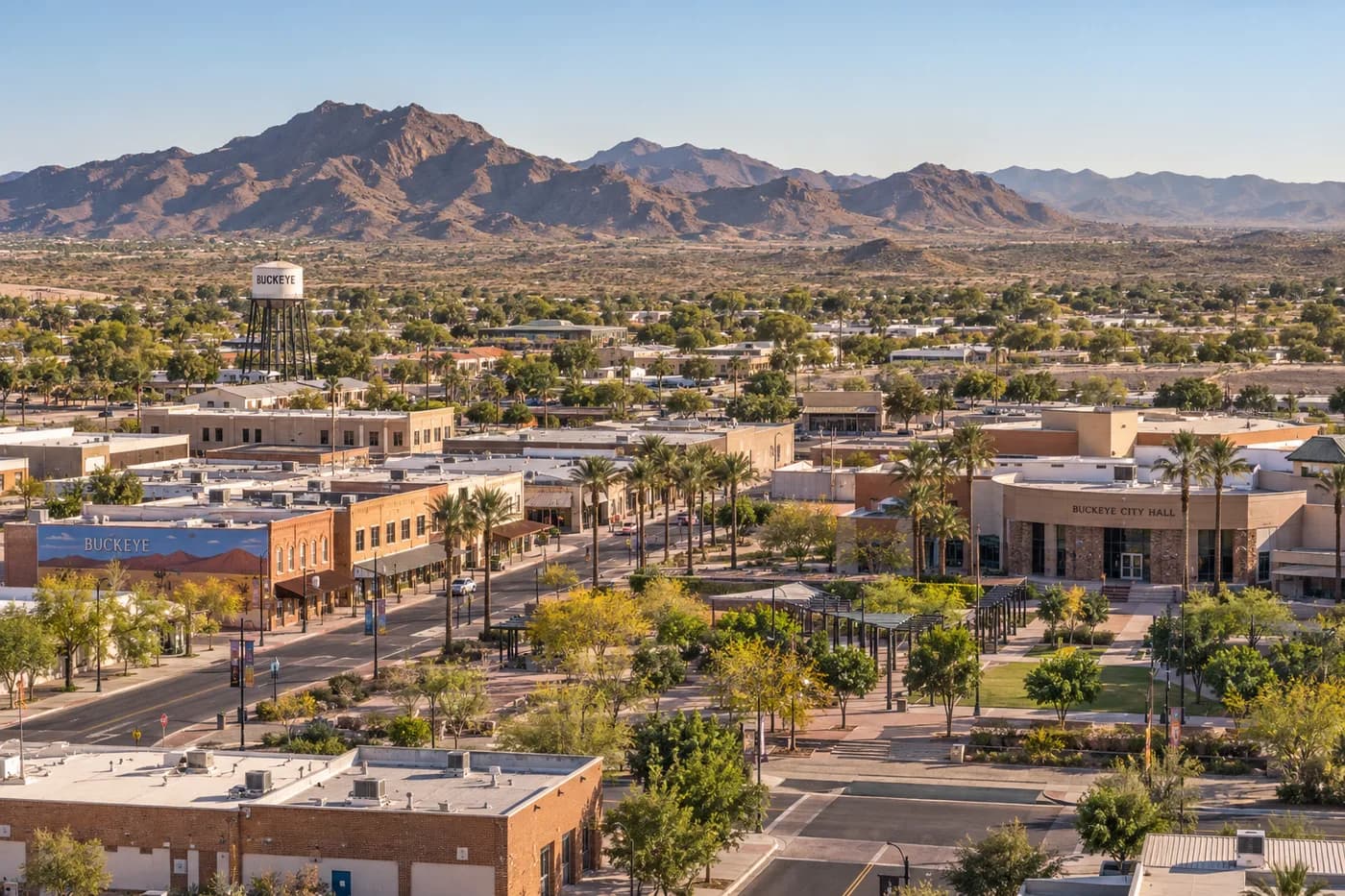
Hot Desert · suburban setting
Read the local guide →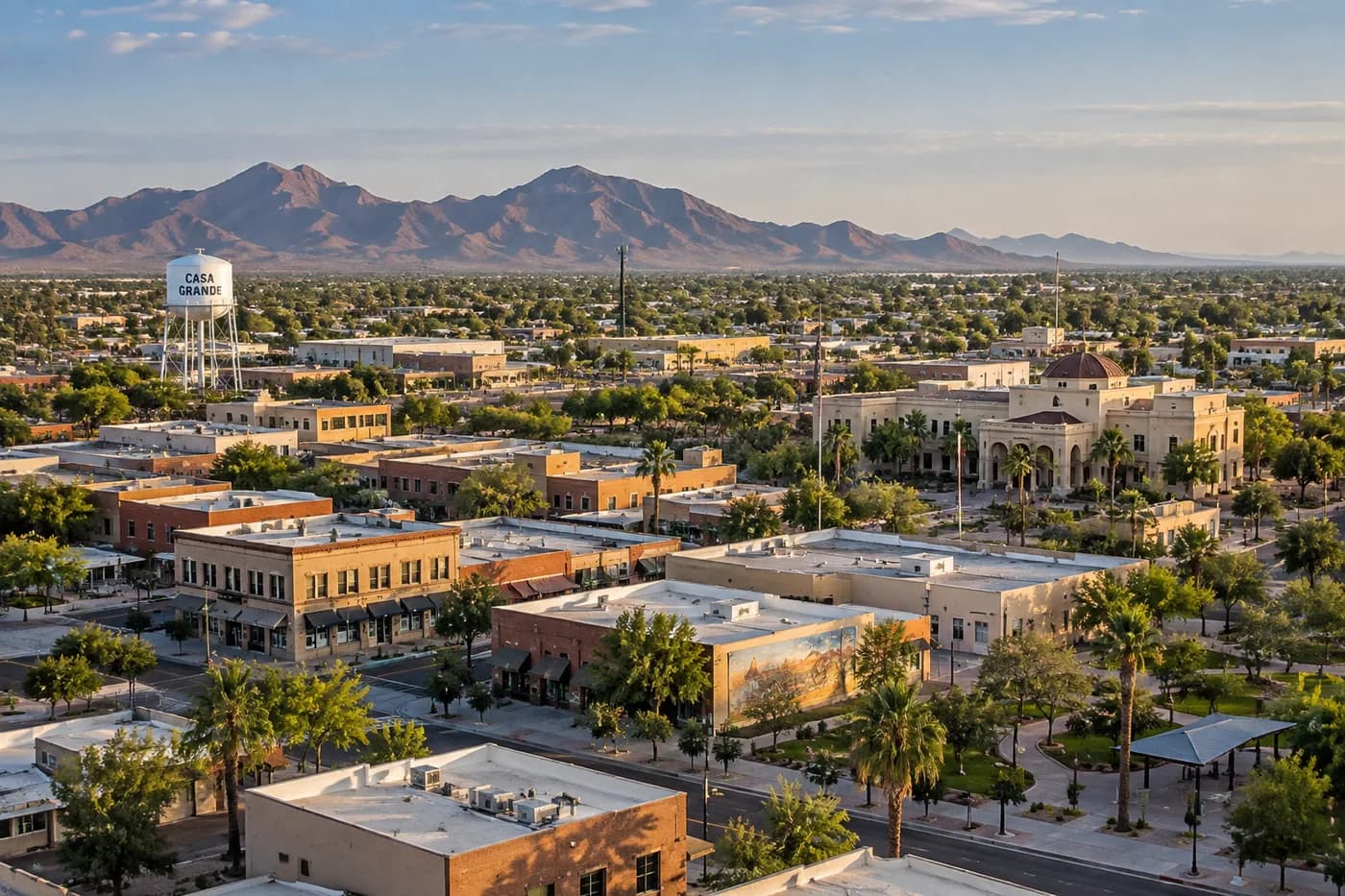
Hot Desert · suburban setting
Read the local guide →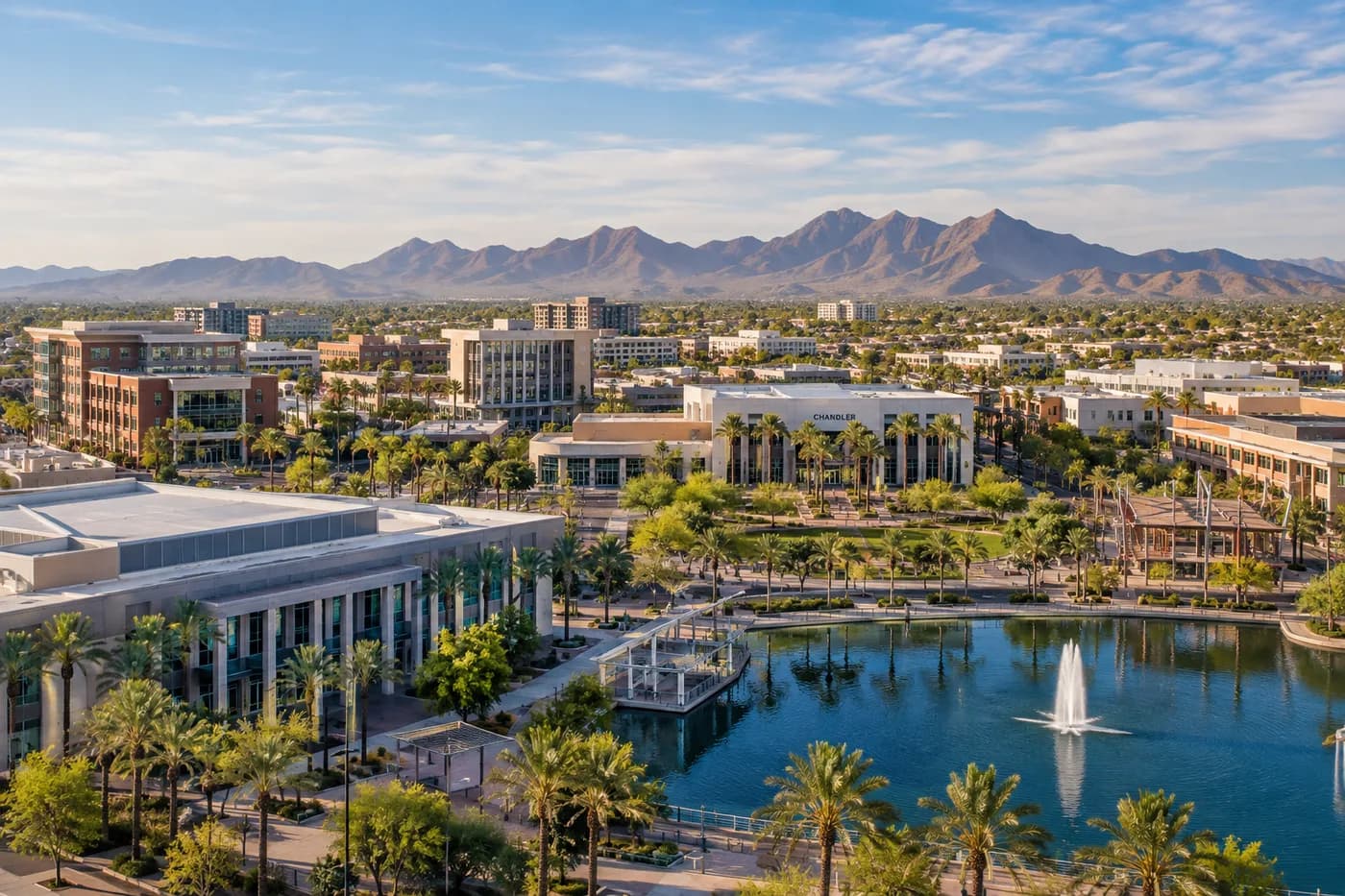
Hot Desert · urban setting
Read the local guide →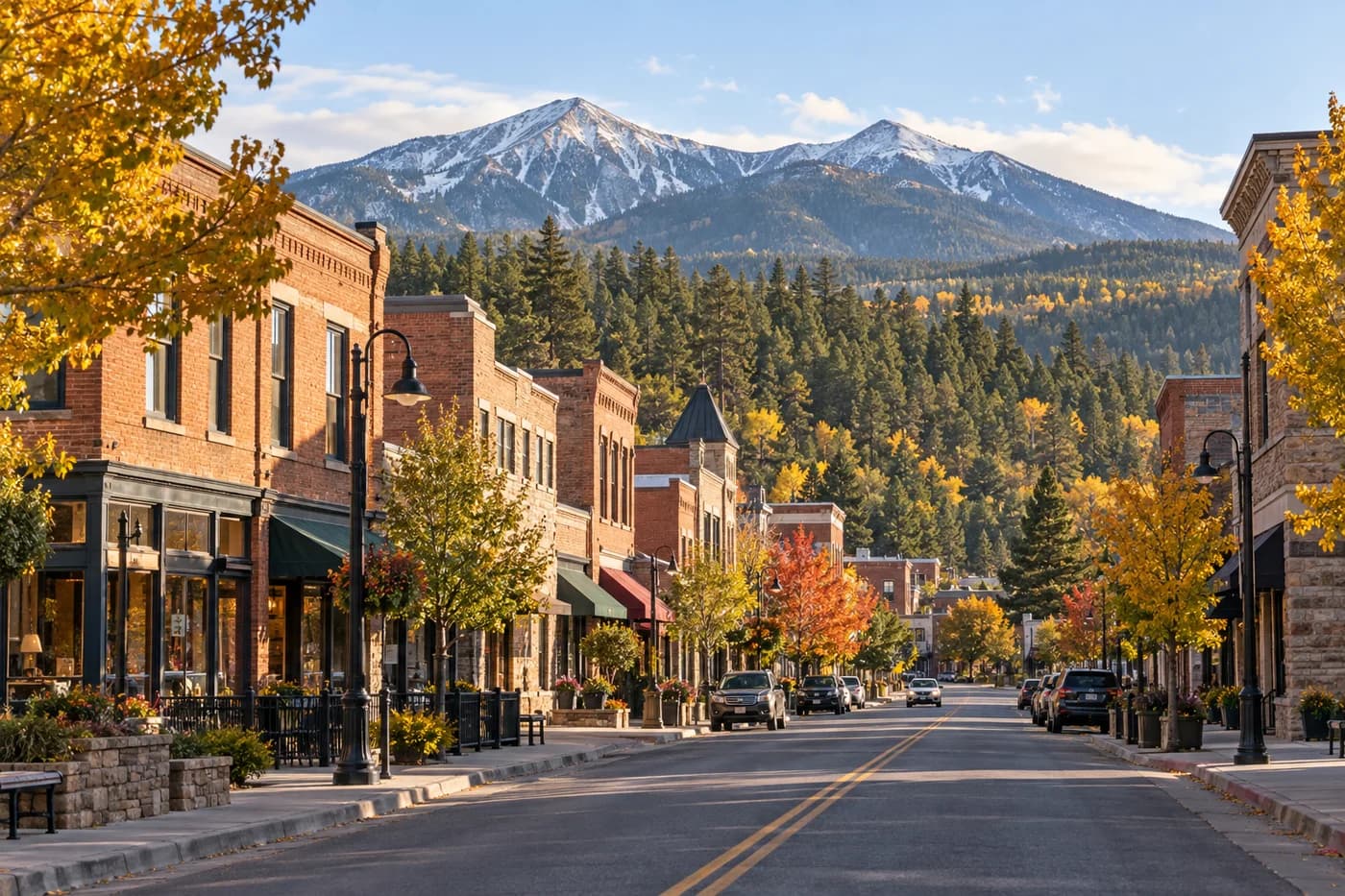
Mountain Semi-Arid · suburban setting
Read the local guide →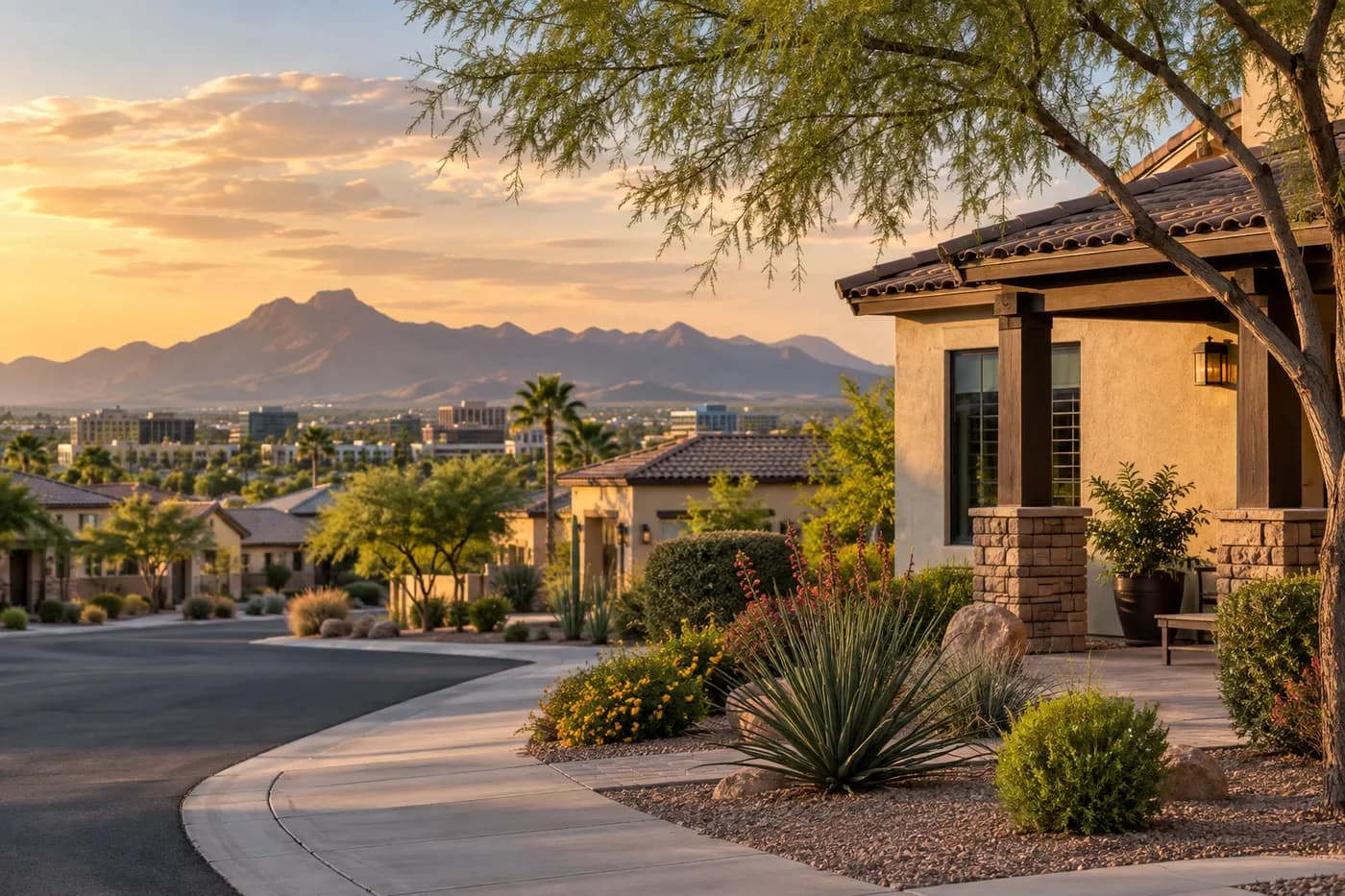
Hot Desert · suburban setting
Read the local guide →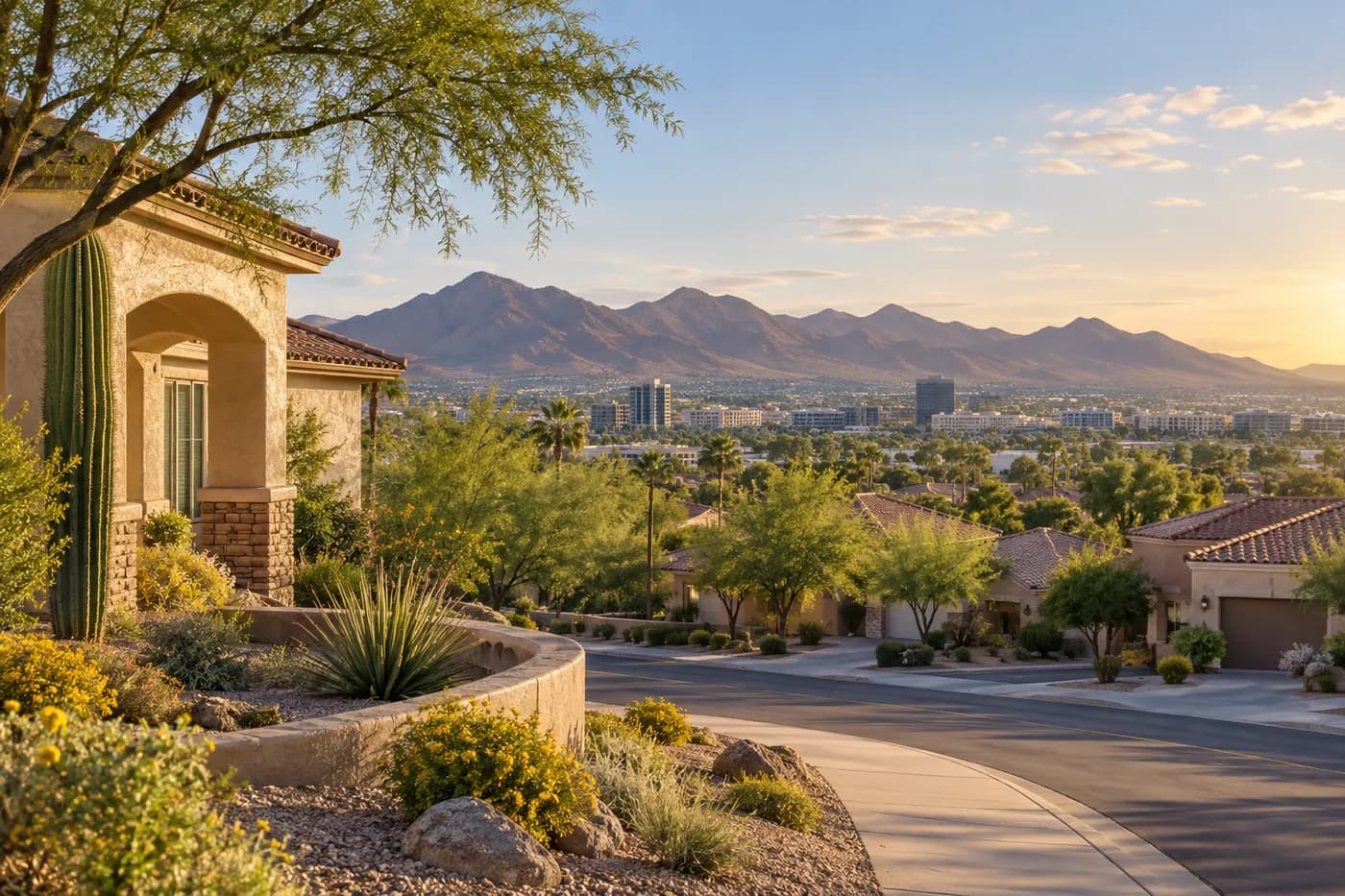
Hot Desert · urban setting
Read the local guide →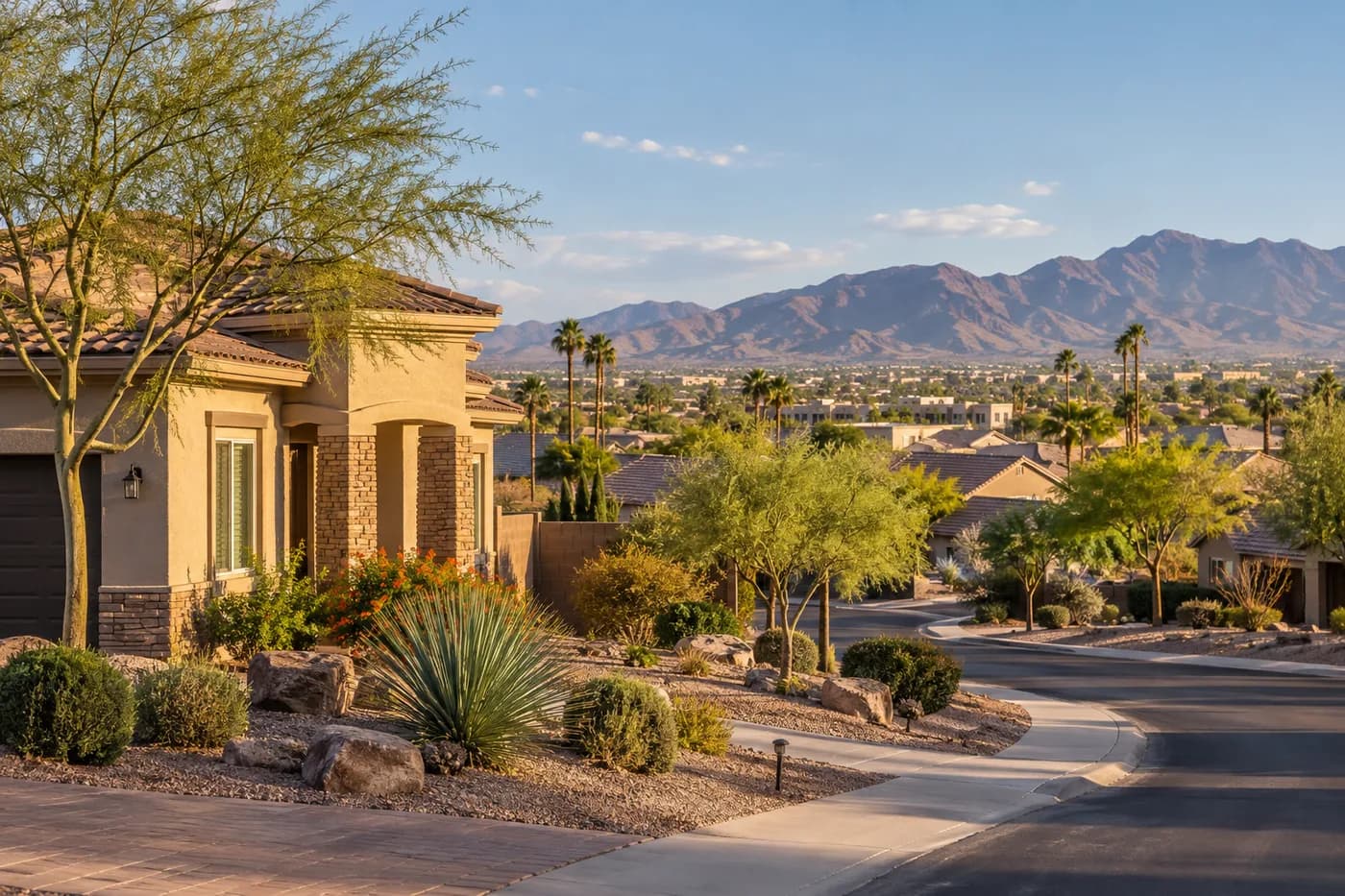
Hot Desert · suburban setting
Read the local guide →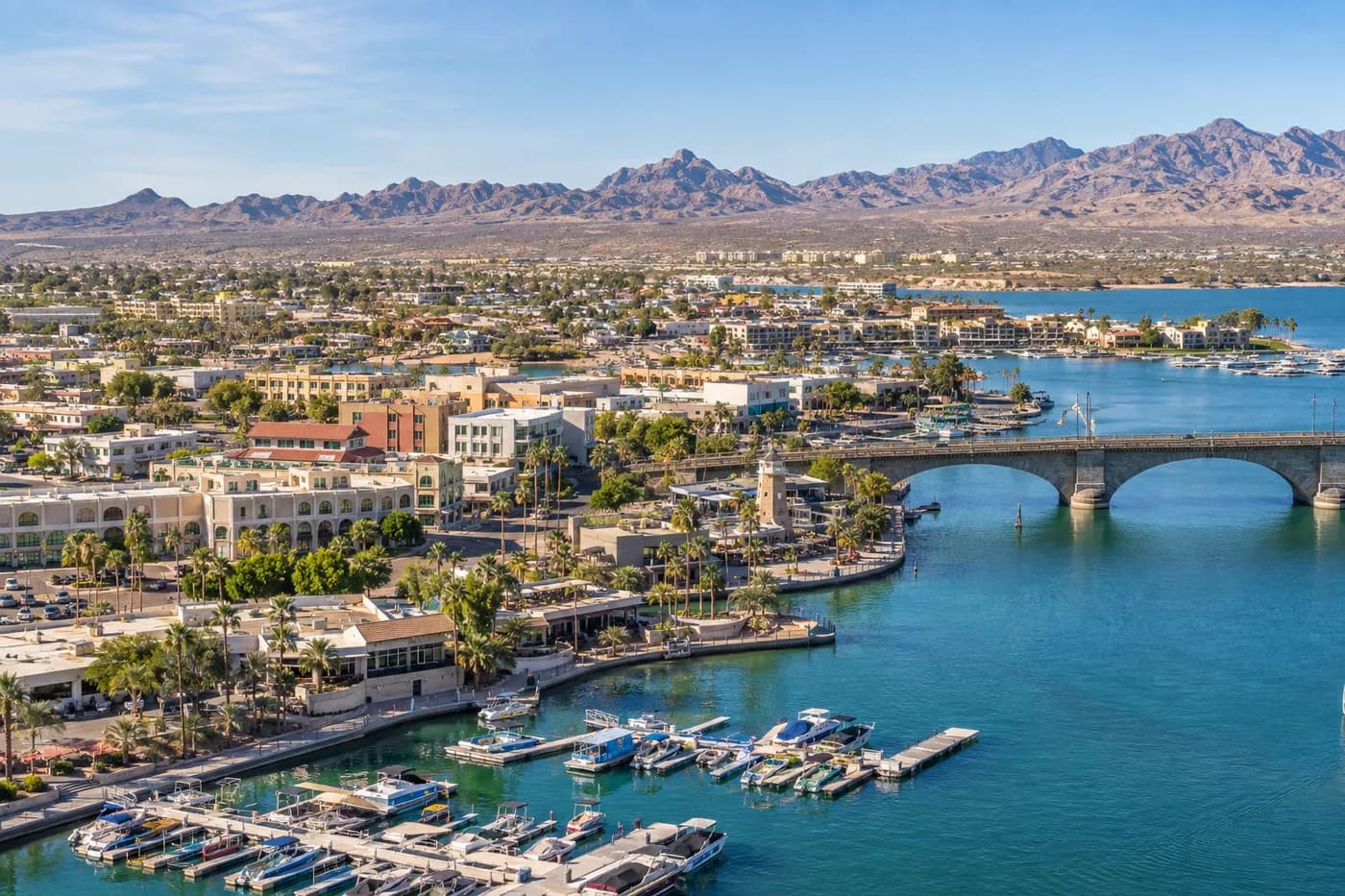
Hot Desert · suburban setting
Read the local guide →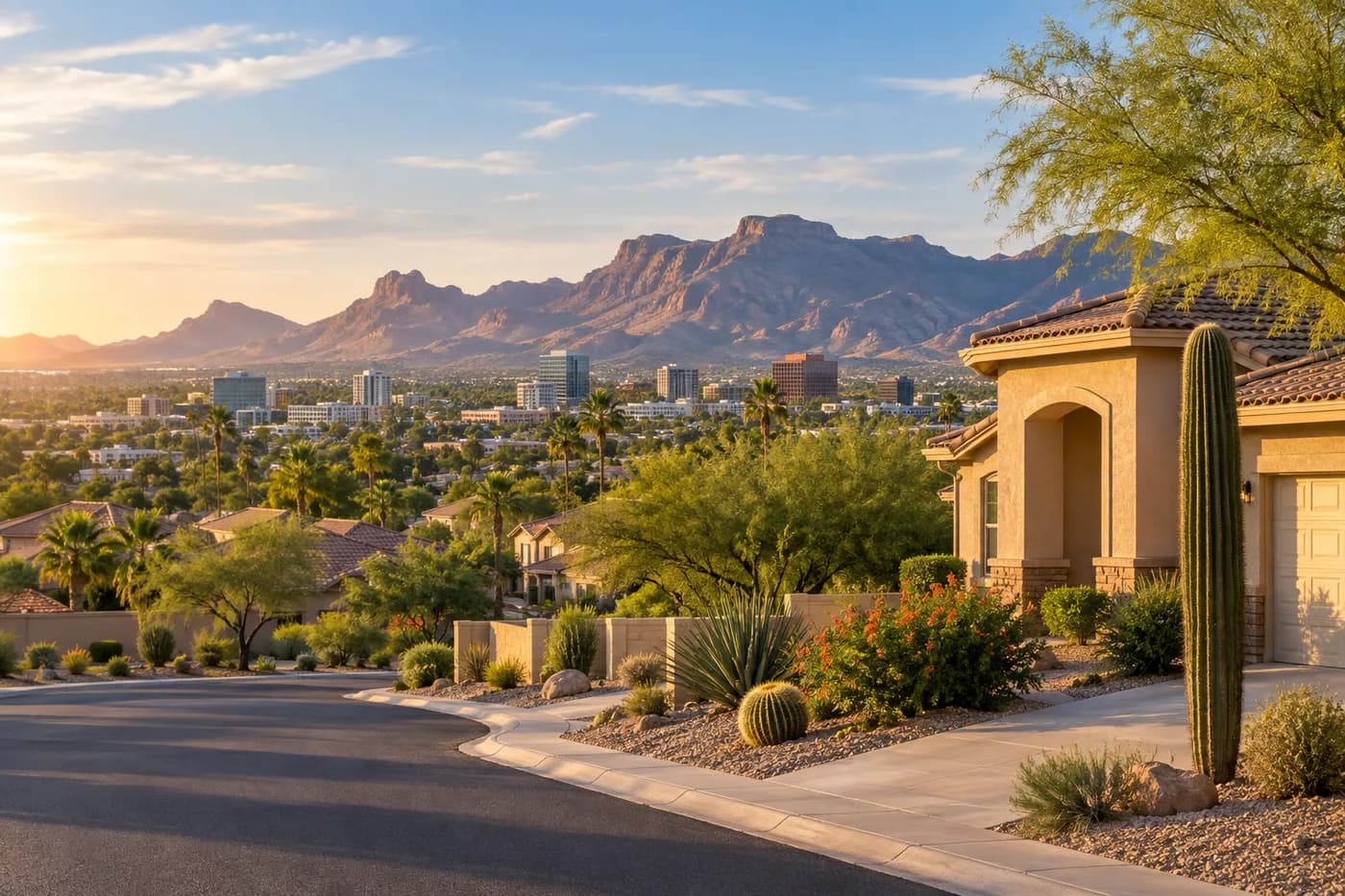
Hot Desert · urban setting
Read the local guide →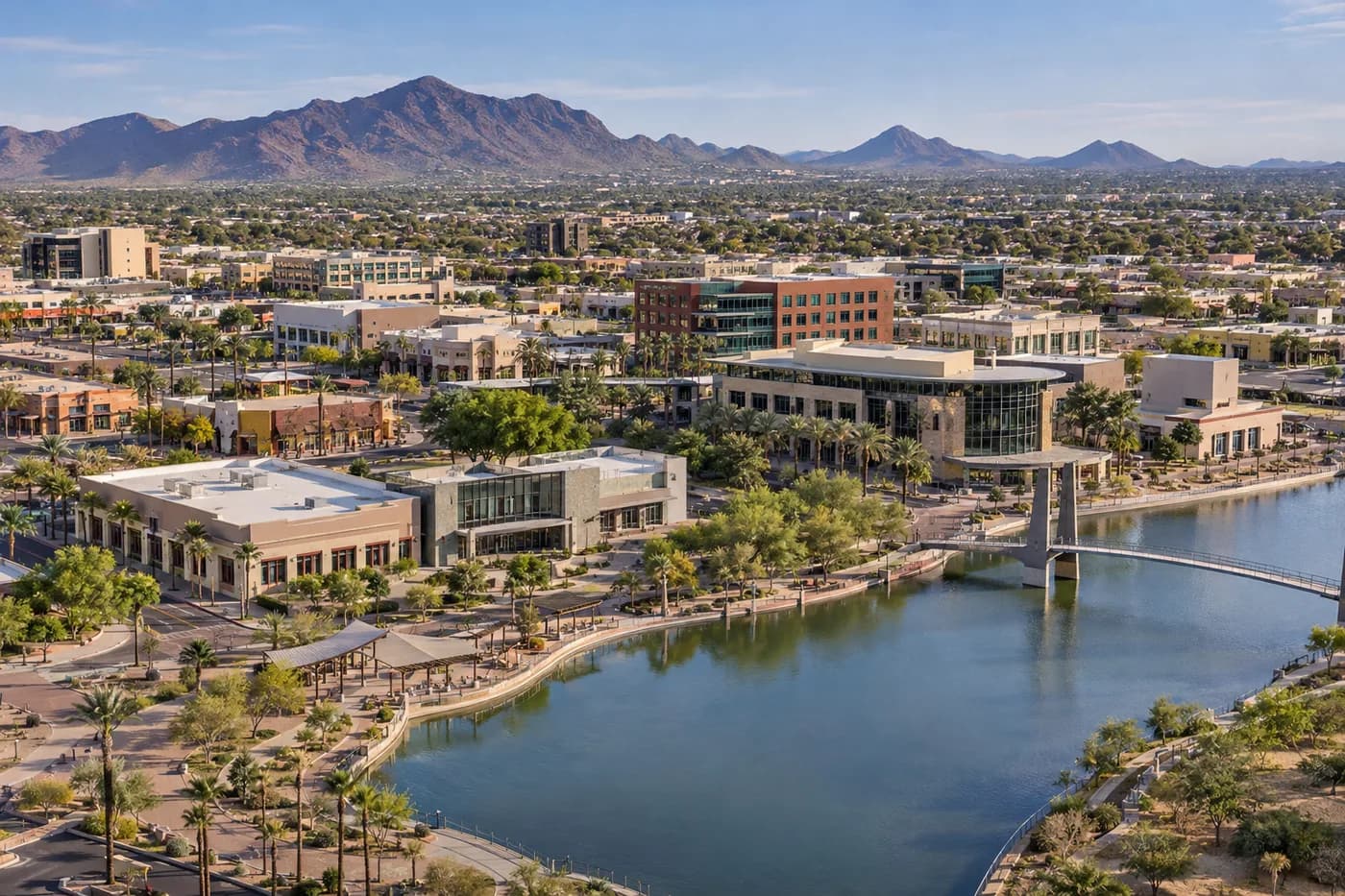
Hot Desert · suburban setting
Read the local guide →Hot Desert · urban setting
Read the local guide →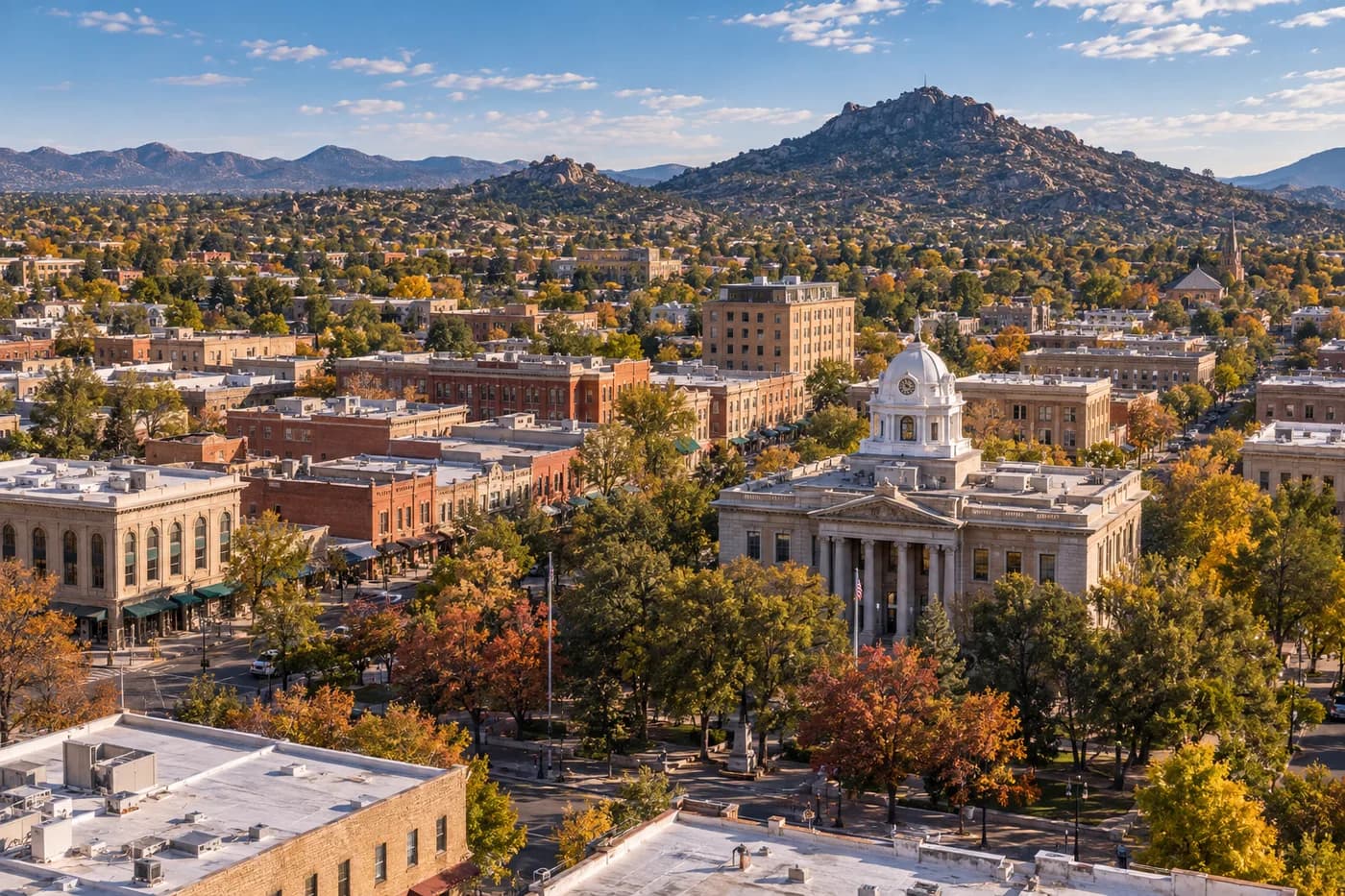
Mountain Semi-Arid · suburban setting
Read the local guide →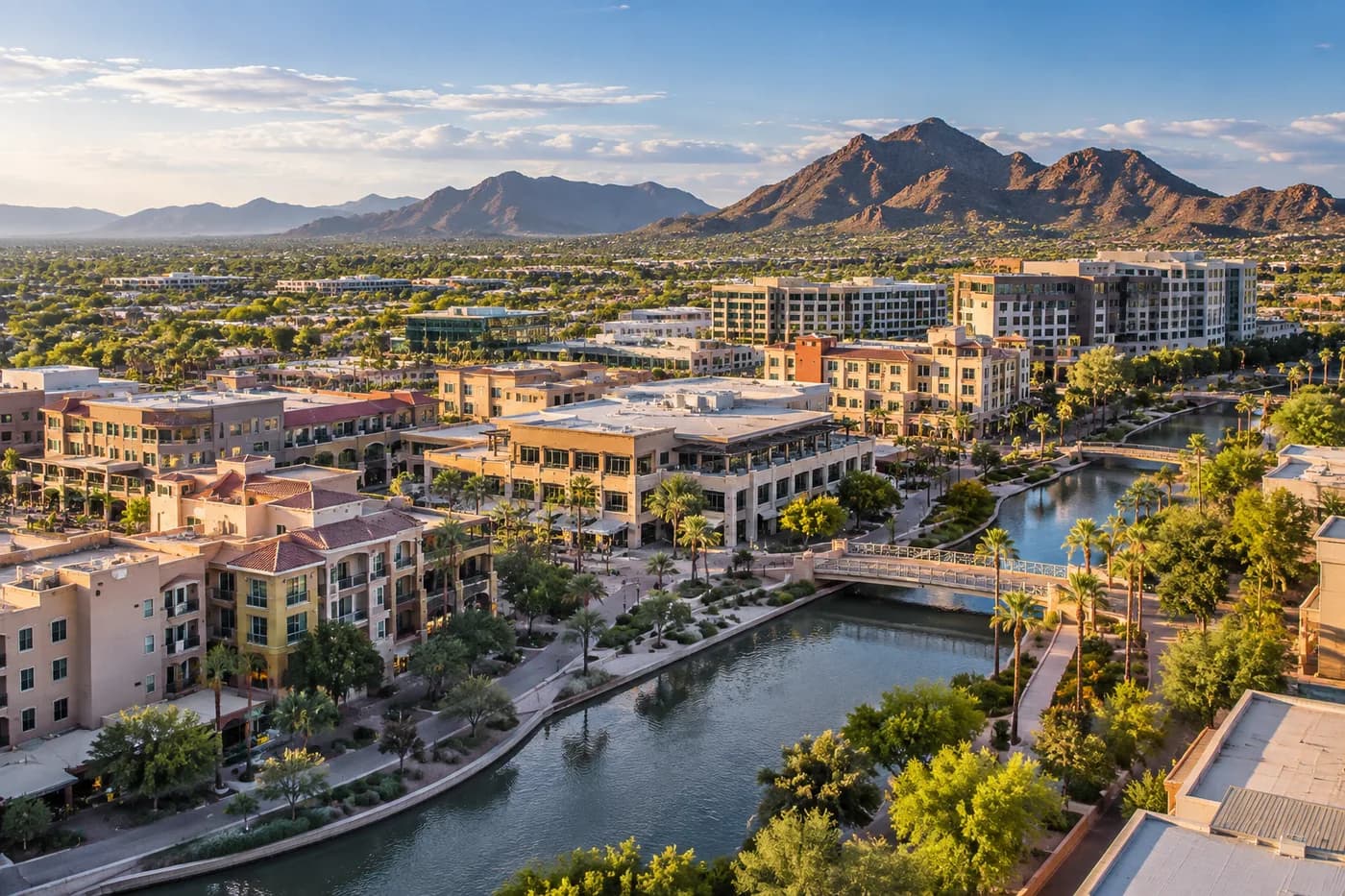
Hot Desert · urban setting
Read the local guide →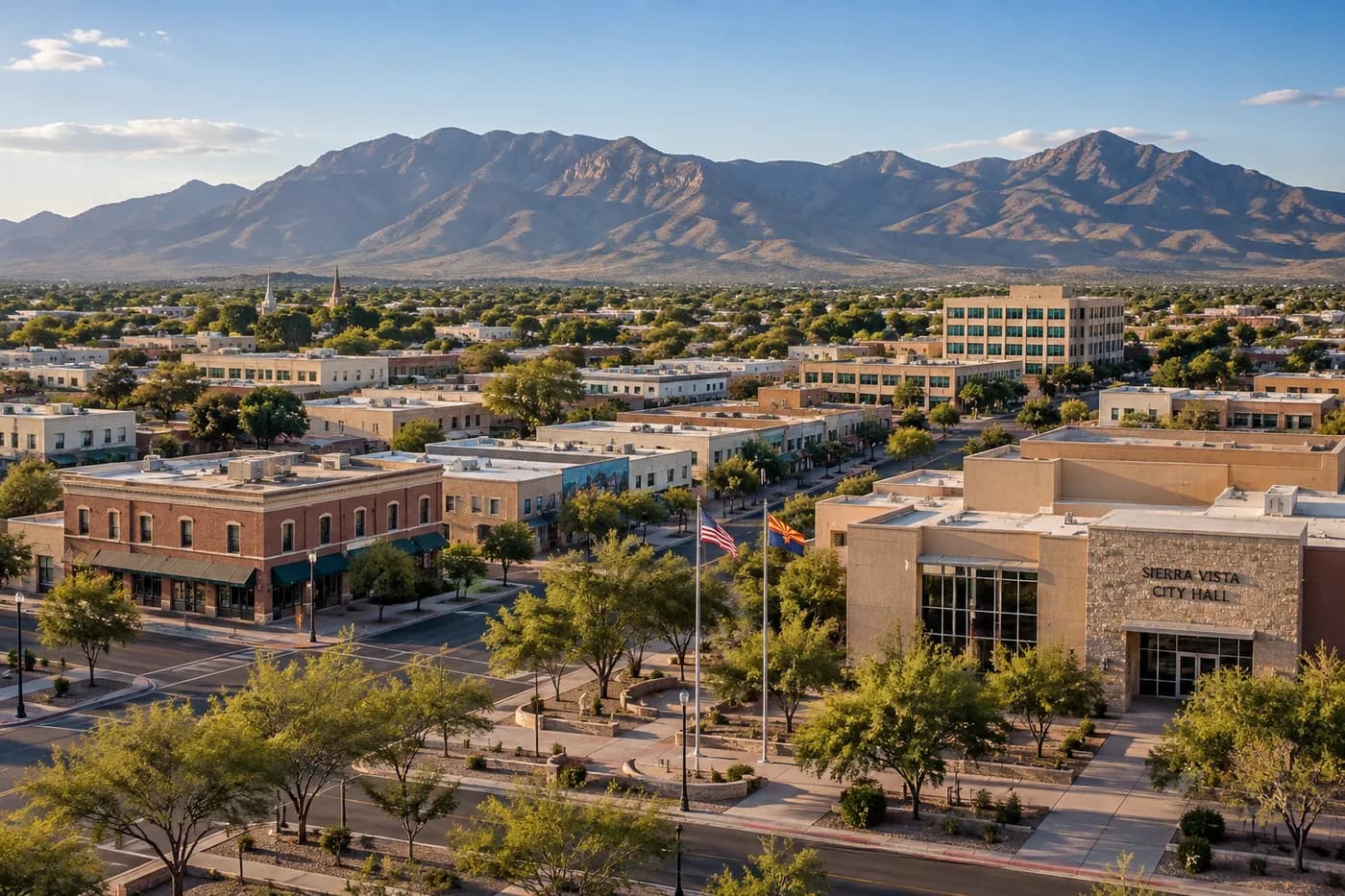
Semi-Arid · suburban setting
Read the local guide →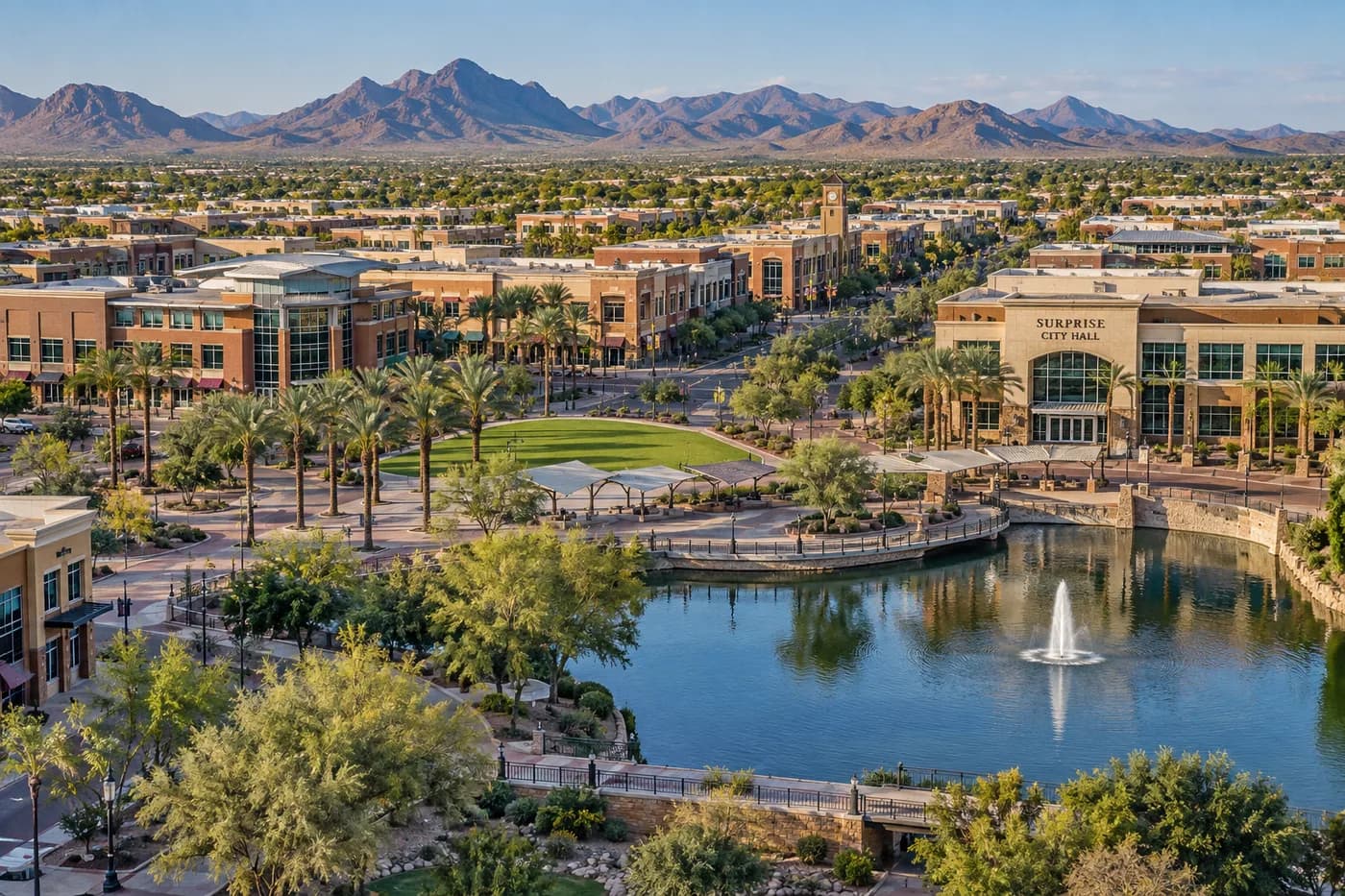
Hot Desert · suburban setting
Read the local guide →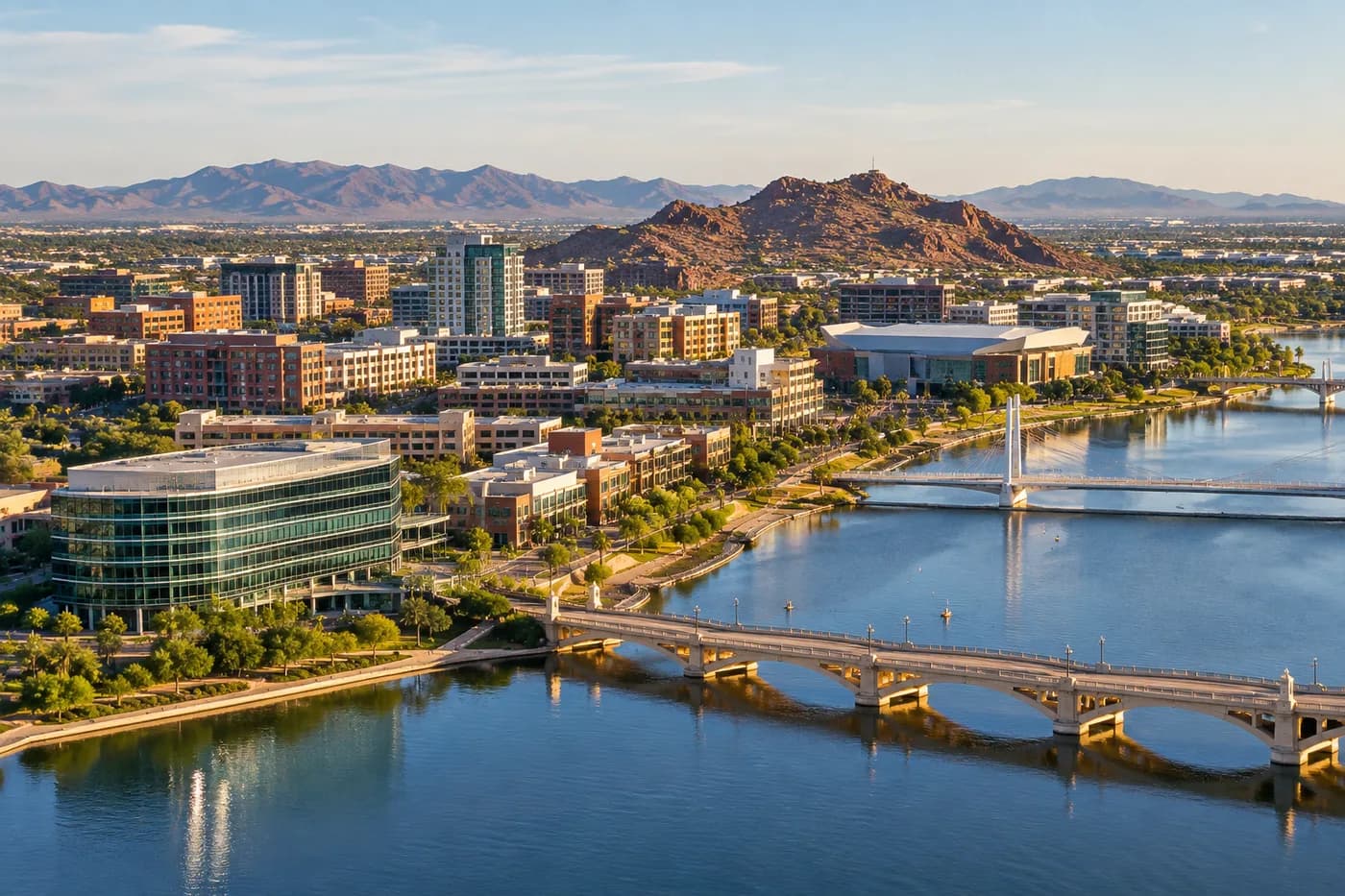
Hot Desert · urban setting
Read the local guide →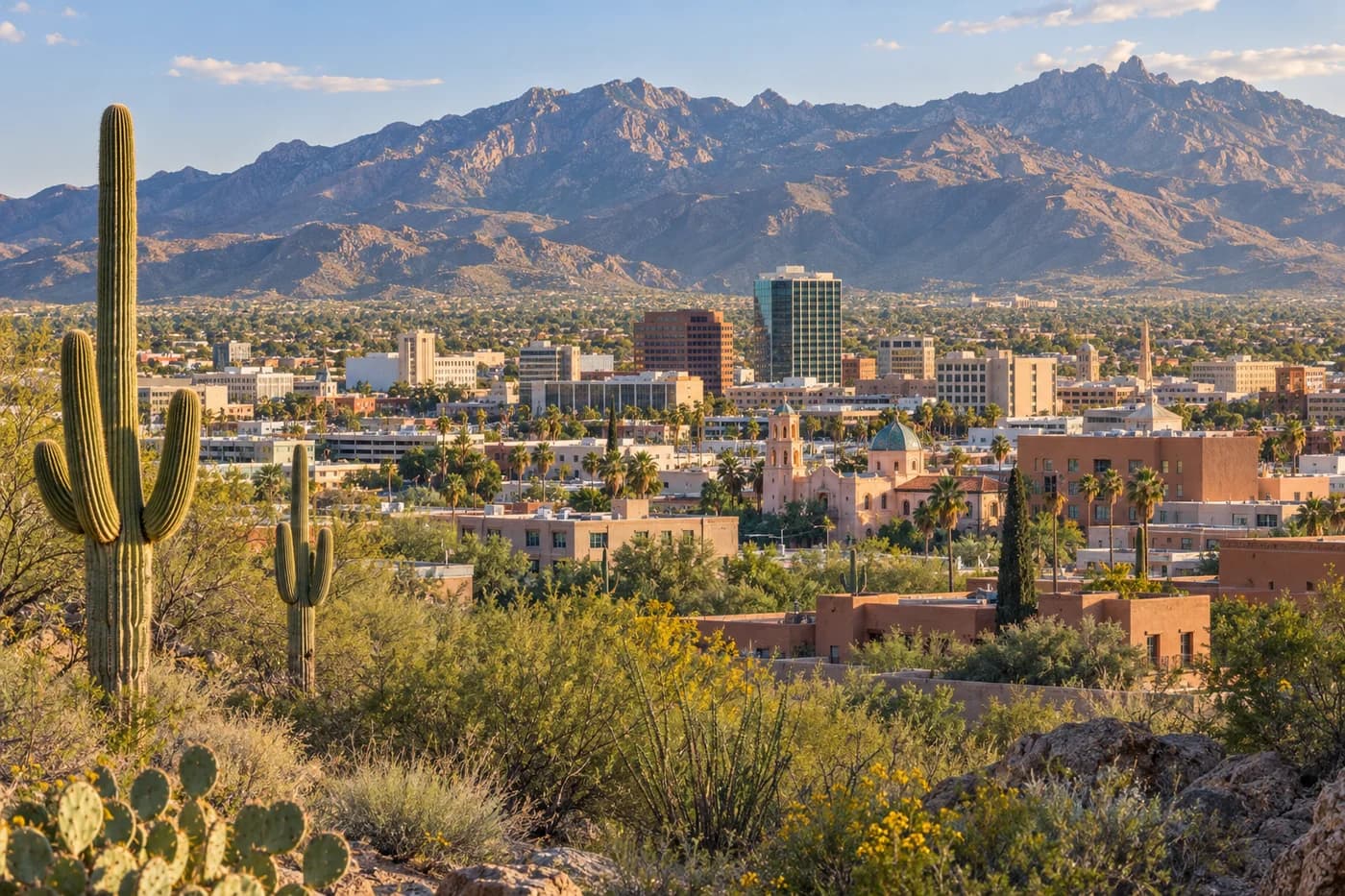
Hot Desert · urban setting
Read the local guide →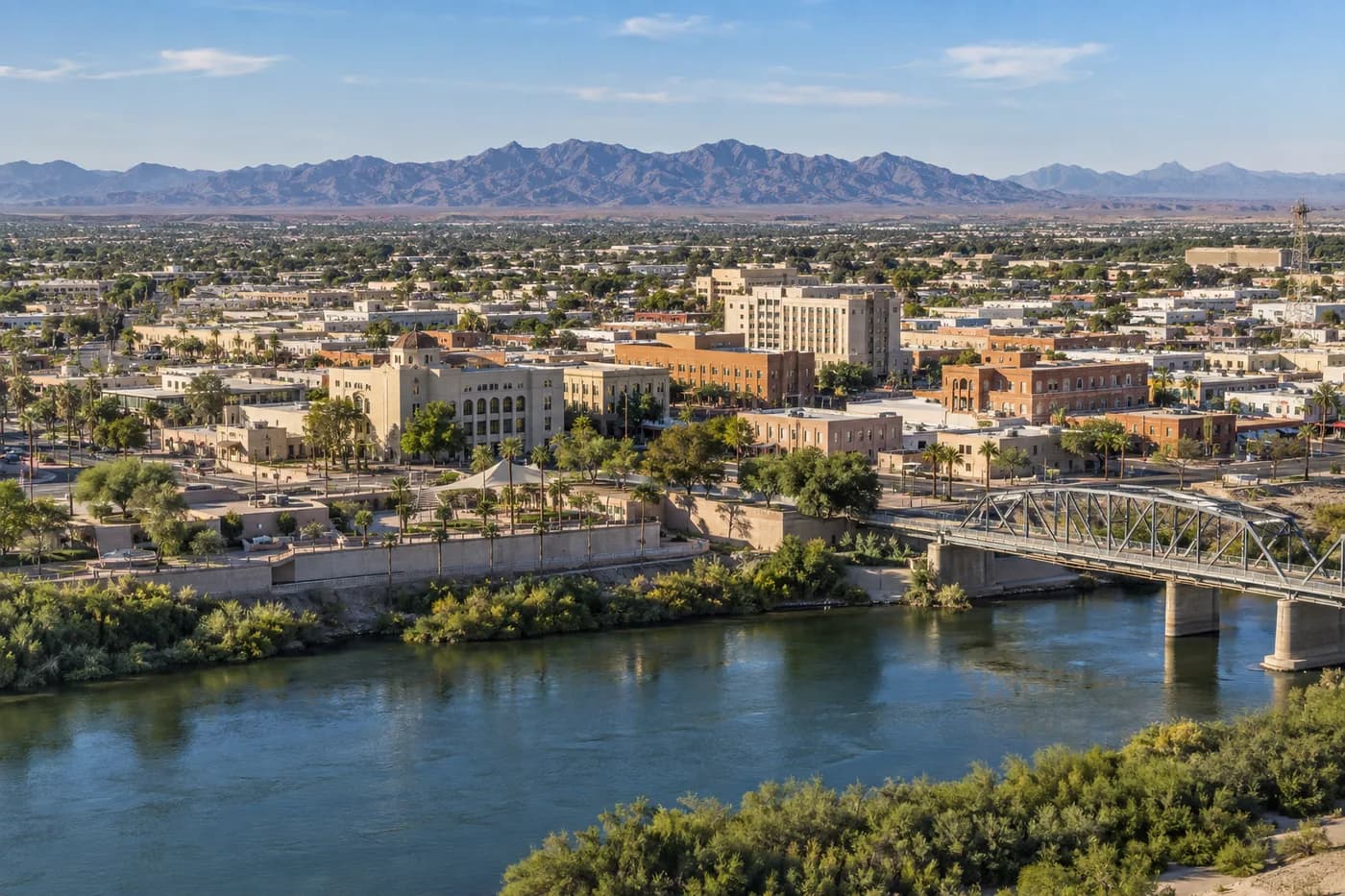
Hot Desert · suburban setting
Read the local guide →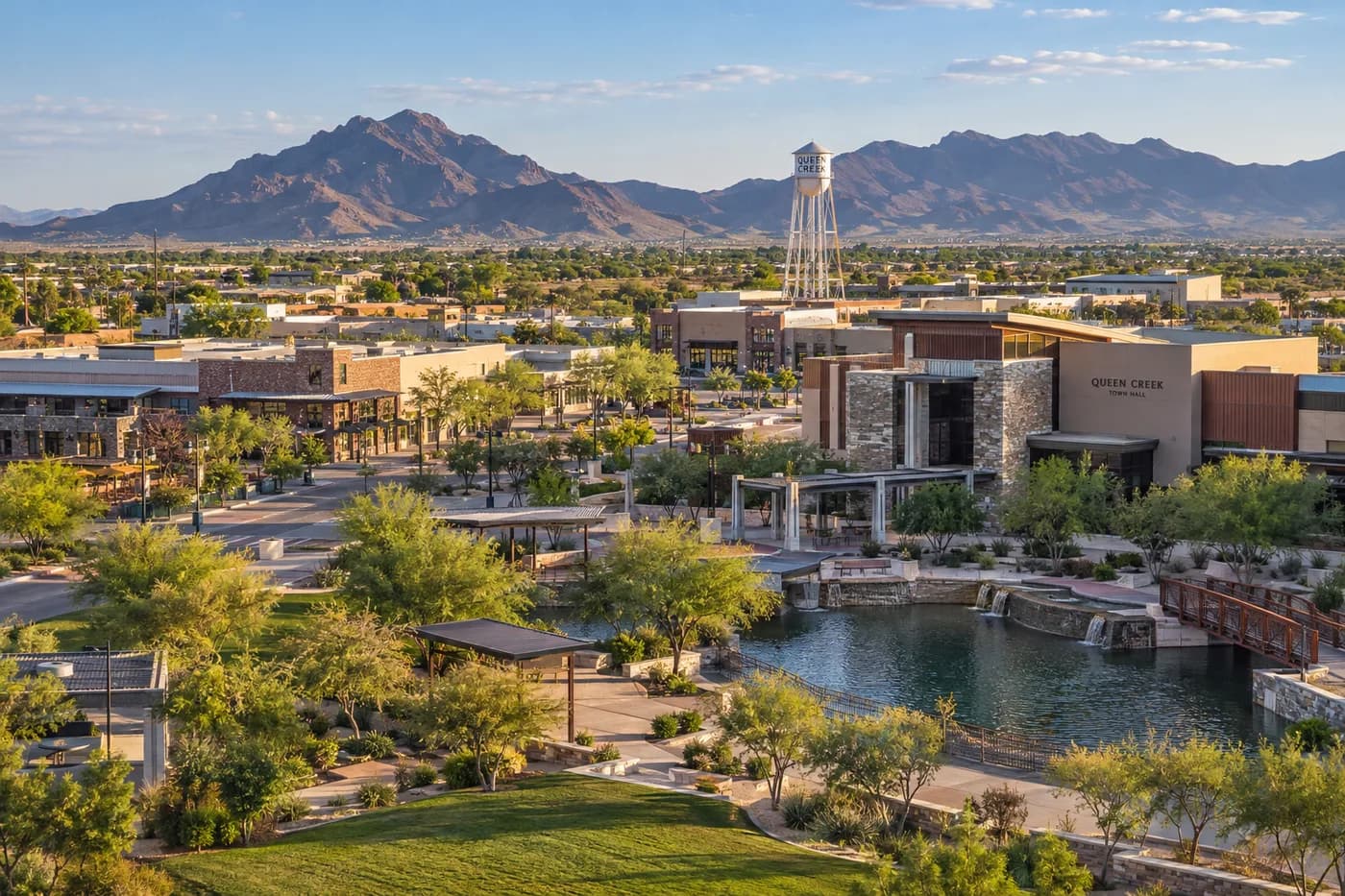
Hot Desert · suburban setting
Read the local guide →