The short version
A swarm pickup in Norman is often $75–$250. Wall colonies cost several hundred dollars or more, plus repairs. Carpenter bee work is usually $100–$500.
- Wall colonies cost several hundred dollars or more.
- Ask whether repairs are included.
- Live removal costs more but saves the bees.
Homeowners and renters in Norman with a swarm, a wall colony or carpenter bees.
What to look for
Most bees are helpful pollinators. Trouble starts when they move into a house. A wall colony can reach tens of thousands of bees. Around Norman, honey bees usually swarm April through June. Spraying alone leaves comb and honey behind.
- 1Bees streaming in and out of one gap.
- 2A buzzing sound inside a wall.
- 3Dark, sticky stains on a ceiling or wall.
- 4A swarm hanging from a branch or fence.
- 5Round, clean holes in eaves or deck boards.
- 6Sawdust under holes in bare wood.
Why it’s worth acting soon
- Wall colonies grow larger every season.
- Comb can melt and leak honey into walls.
- Old comb attracts ants, beetles and moths.
- Carpenter bee tunnels get longer each year.
- Africanized colonies defend their nest aggressively.
🧮
Estimate bee removal cost in Norman
Adjust for your situation to see a ballpark range.
Estimated range
A rough guide only. Wall colonies and repairs cost more.
Treatment options and typical costs
Inspection and Species Identification
$75–$200
A visit to identify the bee and find the colony.
- Time
- 45–90 minutes
- Best for
- Every job
Sealing, Repair and Follow-Up Checks
$150–$450
Sealing gaps, screening vents and follow-up checks.
- Time
- 2–4 hours plus a return visit
- Best for
- Keeping bees from moving back in
Live Swarm Capture and Relocation
$75–$250; beekeepers may charge less
The bees are collected alive and moved to a hive.
- Time
- 1–3 hours
- Best for
- Swarms and reachable colonies
Carpenter Bee Gallery Treatment and Wood Repair
$100–$500
Holes are treated, then filled. Painting or staining the wood helps keep them away.
- Time
- 1–3 hours plus sealing
- Best for
- Round holes in bare wood
Prices are typical published ranges. Ask what’s included before you compare quotes.
 Honey bees rarely settle in a basement, but a window well or a gap around a pipe can be the start of a route into the walls above.
What bee removal costs in Norman.
- A typical home in Norman is worth around $240k, and honey leaking into a wall can cost far more than removal. Swarm season around Norman runs April through June, and spring is the busiest time to book. - Inspection and Species Identification: $75–$200 - Sealing, Repair and Follow-Up Checks: $150–$450 - Live Swarm Capture and Relocation: $75–$250; beekeepers may charge less - Carpenter Bee Gallery Treatment and Wood Repair: $100–$500
Local bees conditions in Norman.
A provider who works Norman and Oklahoma every day can point out the specific conditions that matter most here, and getting the scope, price, and follow-up terms in writing makes it easier to compare options. Knowing Norman's seasonal timing lets you schedule treatment before the busy stretch rather than after it, which usually means faster service and a more accurate quote. An inspection in Norman usually starts outside and works inward, checking the foundation, gaps around doors and windows, and any moisture or clutter near the structure first. Around Norman, the area is mostly urban, so bees pressure can differ from one block to the next depending on how tight the entry points are and how much food, water, or shelter is close by. Norman sits in a humid subtropical climate, and that sets the pace for bee activity here: spring and summer (swarming and colony growth).
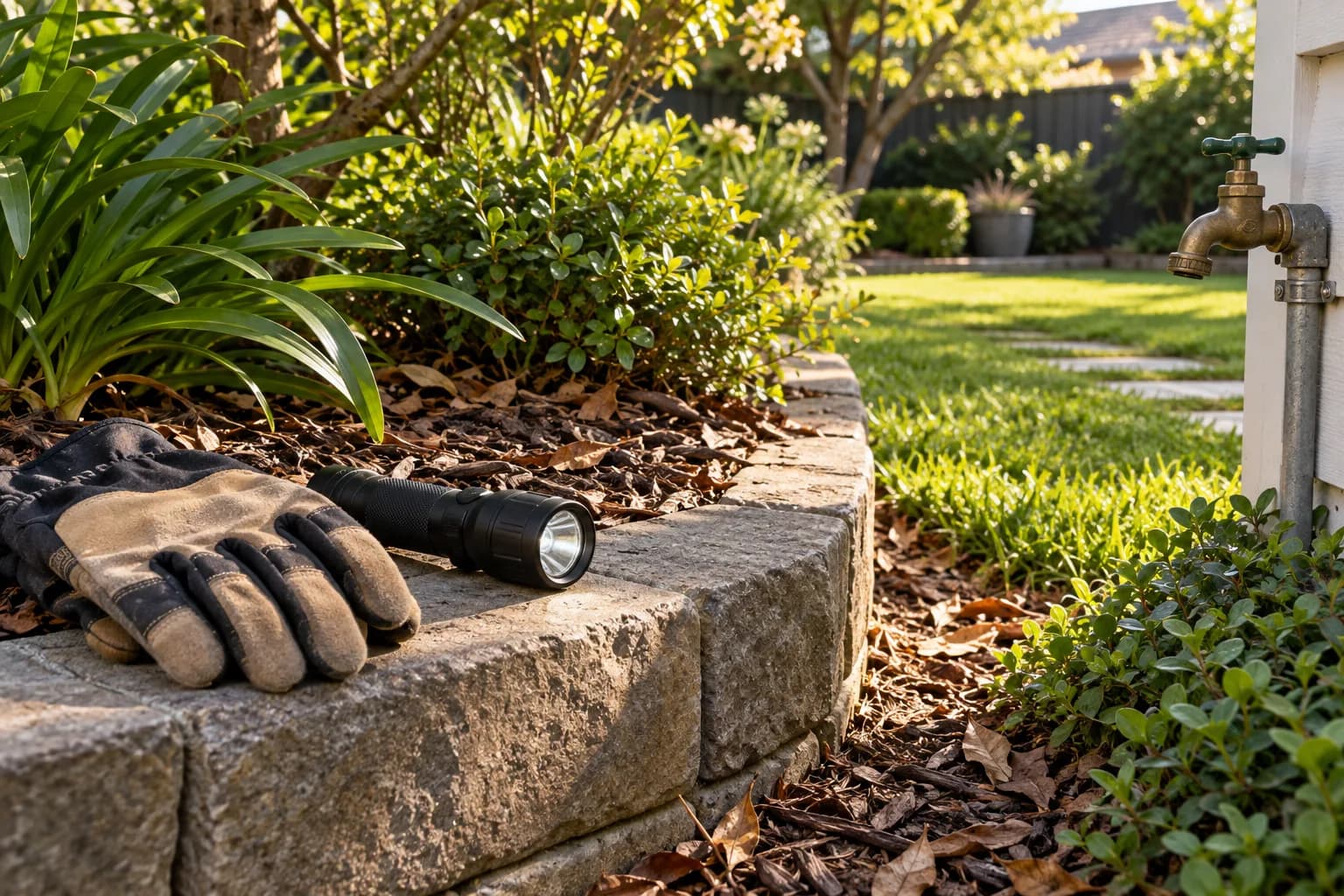 Stone walls, hollow fence posts and the space under a deck are favorite spots for bees to settle. Check them in spring before swarm season gets going.
Which bees show up around Norman.
They're best left alone. Small ground-nesting bees in spring lawns are harmless. Their colonies die off each fall. Bumble bees nest in the ground or old insulation. Eastern carpenter bees bore round holes in bare wood around Norman, especially eaves, fascia and decks. They look like ordinary honey bees. Keep your distance from any colony. Africanized honey bees have turned up in parts of Oklahoma. Honey bees are behind most calls in Norman: swarms in spring, and colonies that move into walls.
Swarms: what to do.
A swarm is a colony on the move. Scouts are hunting for a new home. It's usually calm and moves on within days. Keep people back. a beekeeper or removal service.
Bees in the wall.
Homes from Norman out to Moore and Midwest City see the same entry points: soffits, vents and wall gaps. On slab homes around Norman, soffits and wall voids are the usual spots. Bees and comb come out, then the wall is closed. The fix is a cut-out. Trapped bees may come into the house. Don't seal the hole, and don't just spray it. Steady traffic at one gap means a colony inside.
Carpenter bees.
Carpenter bees look like bumble bees with a shiny, bare abdomen. They drill round, half-inch holes in bare wood. Treat the holes, fill them, then paint the wood. Painted wood is far less attractive to them.
A year of bees in Norman.
- Spring: swarm season, April through June. - Summer: highs near 93°F in Norman. Watch for honey stains on walls. - Fall: bumble bee colonies die off. Seal gaps once bees are gone. - Winter: lows near 28°F in Norman. Honey bees cluster inside.
Bee, wasp or hornet?
- Honey bee: fuzzy, golden brown, about half an inch. - Bumble bee: big, fuzzy, black and yellow. - Carpenter bee: like a bumble bee, with a shiny bare abdomen. - Wasp: smooth, narrow waist, long legs. - Yellowjacket: bright yellow and black, nests in the ground.
If you get stung.
Scrape the stinger out quickly with a fingernail or card. Wash the area and use a cold pack. An antihistamine eases itching. 911 for trouble breathing or a swollen face or throat.
Live removal: what it involves.
A specialist finds the colony, often with a thermal camera. They open the wall and gently vacuum the bees. Then they cut out the comb. The bees go to a managed hive. Then the space is cleaned, sealed and closed.
What to tell the removal company.
- Where the bees go in and out. - How high up the spot is. - How long you’ve noticed them. - Any stains, sounds or smells inside. - Whether anyone at home is allergic. - A photo or short video, taken from a safe distance.
Ground bees in the lawn.
Small bees over bare spring lawn are usually mining bees. They're gentle and rarely sting. They leave within a few weeks. Thicker grass and regular watering make the lawn less inviting.
Keeping bees from moving back in.
- Remove all old comb. Its scent draws new swarms. - Seal the entry gap once the bees are gone. - Screen attic, gable and crawl vents. - Cap open pipes, posts and fence rails. - Repaint or restain bare wood every few years.
Where colonies settle.
- Chimneys: a cap with screen keeps swarms out. - Attics: gable and soffit vents are common entries. - Sheds and garages: gaps under eaves and doors. - Meter and irrigation boxes: small, dark and dry. - Grill covers and unused equipment: check in spring. - Hollow trees and fence posts: often fine to leave.
Can I just spray them?
Honey bees aren't federally protected. Still, spraying a wall colony usually backfires. Dead bees and comb stay inside, rot, and leak honey. Pesticide labels also limit spraying around bees. Live removal is usually the better choice.
Kids, pets and bees.
Teach kids to stay calm and walk away from bees. Keep pets away from swarms and wall entrances. Dogs stung in the mouth or throat need a vet quickly. Cover sweet drinks outside.
When a swarm shows up.
In spring, a swarm may hang from a branch or fence. Swarming bees are usually calm. They have no hive to defend. Most move on within a day or two. Keep people and pets back. A beekeeper may collect it.
Questions to ask before you sign.
- What kind of bee is it? - Will you remove the bees alive? - Will you take out all the comb and honey? - Who repairs the wall or soffit? - How will you seal the entry afterward?
Ways to keep the cost down.
- Call early, before a colony settles in a wall. - Ask a local beekeeper about swarms. - Paint bare wood to prevent carpenter bees. - Compare what each quote covers.
What affects the price
- Swarm pickup versus a colony inside a wall.
- How high the bees are, and whether a lift is needed.
- Opening and repairing walls, soffits or ceilings.
- Comb and honey cleanup.
- Number of carpenter bee holes.
- Whether bees can be removed alive.
📊
What’s your biggest bee concern?
When to call for help
Call if bees use a gap in your walls or roof. if a swarm hasn't moved on in a few days. right away if anyone in the house is allergic.
What you can do yourself
Never seal a hole bees are using. A beekeeper or removal specialist can often save the bees. Swarms and wall colonies are not. Treat, fill and paint. Carpenter bee holes are a fair DIY job.
Bees in Norman
In denser parts of Norman, colonies turn up in walls, soffits, signs and utility boxes. Winter lows near 28°F in Norman send honey bees into a tight cluster; they don't leave the nest. With about 38 inches of rain a year and summer highs near 93°F in Norman, spring bloom is steady and swarms are common.
Local research
Bees in Norman, OK: what the public record shows
Before you compare quotes, it helps to know which bees actually live in Oklahoma, when they are busiest around Norman, and what the state figures look like. Everything below links to the agency or university page it came from.
Bee species recorded in Oklahoma
- Western honey bee (European honey bee) (Apis mellifera) — Managed colonies are surveyed by USDA NASS in the listed states; swarms leave hives in spring and move into wall voids, chimneys, and trees. If a colony is killed and not remove…
- Africanized honey bee (Apis mellifera scutellata hybrids) — Visually indistinguishable from European honey bees; far more defensive and swarm more often. 'They entered Texas in 1990, Arizona and New Mexico in 1993, and California in 1994…
- Eastern carpenter bee (Xylocopa virginica) — Large black-and-yellow bee with a shiny bare abdomen that bores round, about 1/2-inch tunnels into unpainted softwood trim, decks, fascia and railings. 'There is only one specie…
When bees are busiest around Norman
Spring swarm season; AHB colonies may swarm repeatedly through summer.
OSU: 'If a colony is found in your home, call a pest control operator, beekeepers in your area, or other experts in bee removal'. A list of certified pest control operators is kept by the Oklahoma Department of Agriculture, Food and Forestry.
Rules that apply in Oklahoma
For context, nationally
- 788 deaths (an average of 72 deaths per year) — Sting deaths, hornets/wasps/bees, 2011–2021. CDC MMWR
- 84% — Share of sting deaths among males, 2011–2021. CDC MMWR
Sources: Oklahoma State University Extension; CDC MMWR; Honey Bee Colonies (August 2026); African Honey Bee, Africanized Honey Bee, Killer Bee (EENY-429 / IN790); Carpenter Bees. Figures are quoted as the source prints them. How we check our sources
Simple ways to keep bees away
- Seal gaps in soffits, vents and siding before spring.
- Screen attic and crawl vents.
- Paint or stain bare wood to deter carpenter bees.
- Fill old carpenter bee holes after treatment.
- Remove old comb so new swarms aren’t drawn in.
- Keep empty bee boxes and hives closed up.
 In an apartment building, one colony in a shared wall can mean bees in several units. Let the manager know where they're coming in, and don't spray or plug the gap yourself.
Did you know?
Most native North American bees live alone, nesting in the ground.
Bumble bees shake pollen loose by vibrating their flight muscles.
Questions people ask
Why does live relocation cost more than spraying?
Spraying leaves comb behind, which causes problems. Around Norman, bees, comb and honey all come out, and the wall gets opened. It takes longer.
What is the typical cost to remove bees from a wall?
Usually several hundred dollars, sometimes more than $1,500 for big colonies. Repairs to the wall may be extra.
What should a bee removal quote include?
Bee type, colony location, live removal, comb cleanup and repairs.
Will homeowners insurance pay for bee removal?
Ask your insurer. Leaking honey damage may differ. Insurers treat it as maintenance. Usually not.
How much does bee removal cost?
Access, colony size and repairs move the number. These are not quotes. Typical published ranges for Norman run about $75 to $250 for a swarm capture, $100 to $500 for carpenter bee treatment and sealing, and $300 to $1,500 or more for removing an established hive from a wall or roof.
A swarm landed in my yard. What should I do?
The main risk is waiting long enough for the scouts to choose your Norman soffit instead of a hollow tree. Swarm capture is the easiest bee job there is. Take a photo, note how high it is, and contact a beekeeper or bee removal pro in Norman. Do not spray it and do not throw water on it.
How do I prevent bees from moving into my house?
Plug old galleries so they cannot be reused. For carpenter bees, the answer is finished, painted wood. Scout bees look for a quarter-inch opening into a hollow, so seal soffit gaps, vent screens, and rafter tails on your home. Prevention in Norman is mostly carpentry and caulk.
Nearby cities
Related guides
Sources (10)
The facts in this article come from the public sources listed above. Every home is different, so ask the company you talk to about pricing and what’s included. Published by Beehive Removal · Updated September 11, 2026 · How we write these guides